Best City Tour Guide in Nepal: What Truly Makes the Difference
What truly makes the difference beyond the sightseeing: cultural translation, emotional pacing, and certified NATHM standards.

Whenever I walk through the brick courtyards of Patan or watch the smoke curl upward from the cremation pyres at Pashupatinath, I notice two very different kinds of travelers. The first kind wanders around snapping quick photos, looking slightly overwhelmed by the sensory rush. The second kind is standing with a guide, completely absorbed, listening as if an ancient secret is being handed directly to them.
Nepal isn't an open-air museum where history sits quietly behind glass ropes. Our heritage is alive. People still ring centuries-old brass bells on their way to work, elderly artisans carve wood in hidden courtyards, and monks chant the same mantras their ancestors recited a thousand years ago.
“Guiding here isn't just a job—it's cultural translation. And finding the best city tour guide in Nepal requires looking far past someone who just speaks fluent English or recites dynasty dates.”
— Sakar's Journal
The Attributes That Actually Matter
From my experience seeing what works on the ground, these are the traits that turn a standard sightseeing walk into an unforgettable journey:
1. The Instinct for Living Culture, Not Just Dates
Anyone can memorize when a Malla king built a pagoda. A remarkable guide explains why the butter lamps outside a private doorway are lit at dawn, why eyes face all four directions on a stupa, or what the intricate tantric carvings on a temple strut actually mean. They help you see that religion here isn’t a Sunday routine; it’s woven into the architecture and daily life.
2. Emotional Intuition and Pacing
Kathmandu Valley can be intense. The noise, the heat, the dust, and the sheer volume of stimuli can tire out even seasoned travelers. A top-tier guide notices flagging energy before you do. Instead of dragging you through another museum room, they’ll steer you into a quiet, shaded bahal (monastery courtyard) for hot spiced milk tea, letting the experience breathe.
3. Absolute Intellectual Honesty
Nepal’s history is steeped in mythology—from gods flying over mountains to sacred lakes being drained by divine swords. An exceptional guide respects local folklore without passing off legends as archaeological facts. More importantly, when asked an obscure question, they have the confidence to say, "I haven't encountered that specific detail—let me check that for you," instead of making something up on the spot.
Where That Professional Polish Comes From
Natural charisma and local love can get someone far, but in a country as culturally complex as Nepal, formal grounding makes all the difference.
That is where institutions like NATHM (Nepal Academy of Tourism and Hotel Management) play their real role in the background. While travelers rarely hear about it, the academy acts as the quality benchmark. It forces aspiring guides through months of intense study—dissecting Buddhist iconography, Hindu philosophy, architecture, crowd psychology, and emergency safety—before they are tested in live simulations at UNESCO sites and granted their official government license.
Why an Official NATHM Government License Matters
Structured Storytelling & Historical Accuracy
Their storytelling has clear structure, deep context, and historical accuracy rooted in formal academic training.
Respectful Navigation of Sacred Taboos
They understand how to navigate sacred spaces and active rituals respectfully without breaking local cultural or religious taboos.
Accountability & Department of Tourism Credential
They hold an official Department of Tourism credential (the familiar green lanyard), meaning you are working with an accountable professional rather than an unregistered street tout.
How to Make the Most of Your Tour
If you're planning to hire a private city tour guide for your time in Kathmandu, Bhaktapur, or Pokhara, treat the experience as a two-way conversation. Tell them what you care about—whether it’s local street food, photography, Buddhist philosophy, or Newari craftsmanship. The best guides thrive when they can tailor the day to your curiosity.
“When you find the right guide, you aren't just ticking off monuments—you’re experiencing our home through the eyes of someone who cherishes its living soul.”
— Sakar
Sakar
Responsible Tour Director & Cultural Guide
Born in Nepal with deep roots in Himalayan heritage and community-based hospitality. As Responsible Tour Director, Sakar guides curious international travelers beyond mass tourism, facilitating authentic human connections, spiritual stillness, and sustainable village livelihoods.
Looking for an authentic, guided exploration of Kathmandu Valley?
Experience the living heritage, secret courtyards, and sacred stories of Kathmandu, Patan, and Bhaktapur with Sakar.
Featured Journeys Connected to Our Stories
Turn field essays into lived reality. These are our three featured experiences curated for thoughtful travelers.
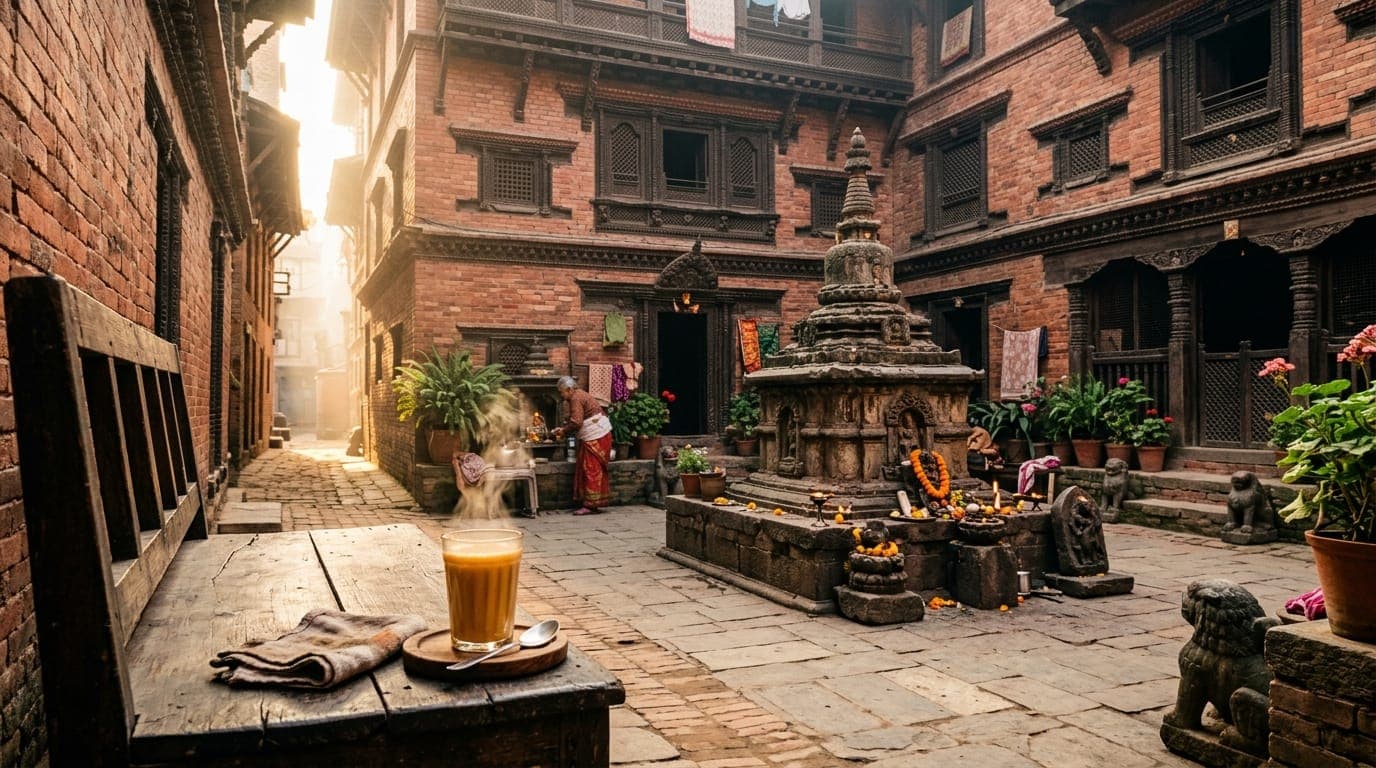
Kathmandu Durbar Square: Where Every Stone Holds a Story
If you want to understand Kathmandu, do not start with a monument. Start with a morning walk where the city wakes up in the narrow alleys of Ason.
Bhaktapur Durbar Square: A Walk Through Nepal’s Living Medieval City
Bhaktapur is not a place where you simply visit the past. It is a place where the past still welcomes you. It slowed down and protected its memories.
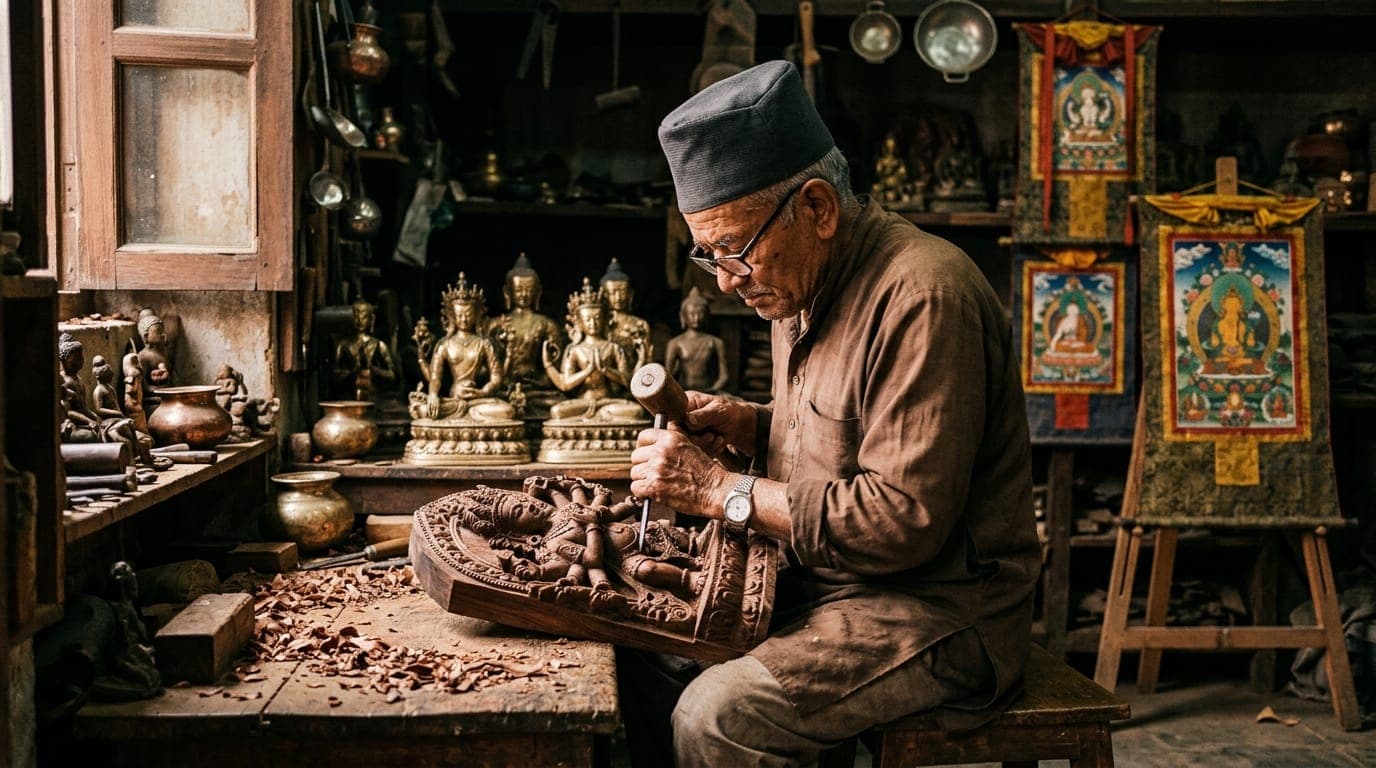
Patan Durbar Square: The City of Hidden Courtyards and Living Craft
Patan is a city of makers. In Kathmandu, you encounter history everywhere. In Bhaktapur, you feel history surrounding everyday life. In Patan, you can watch history being made by hand.
More Stories From Sakar's Journal
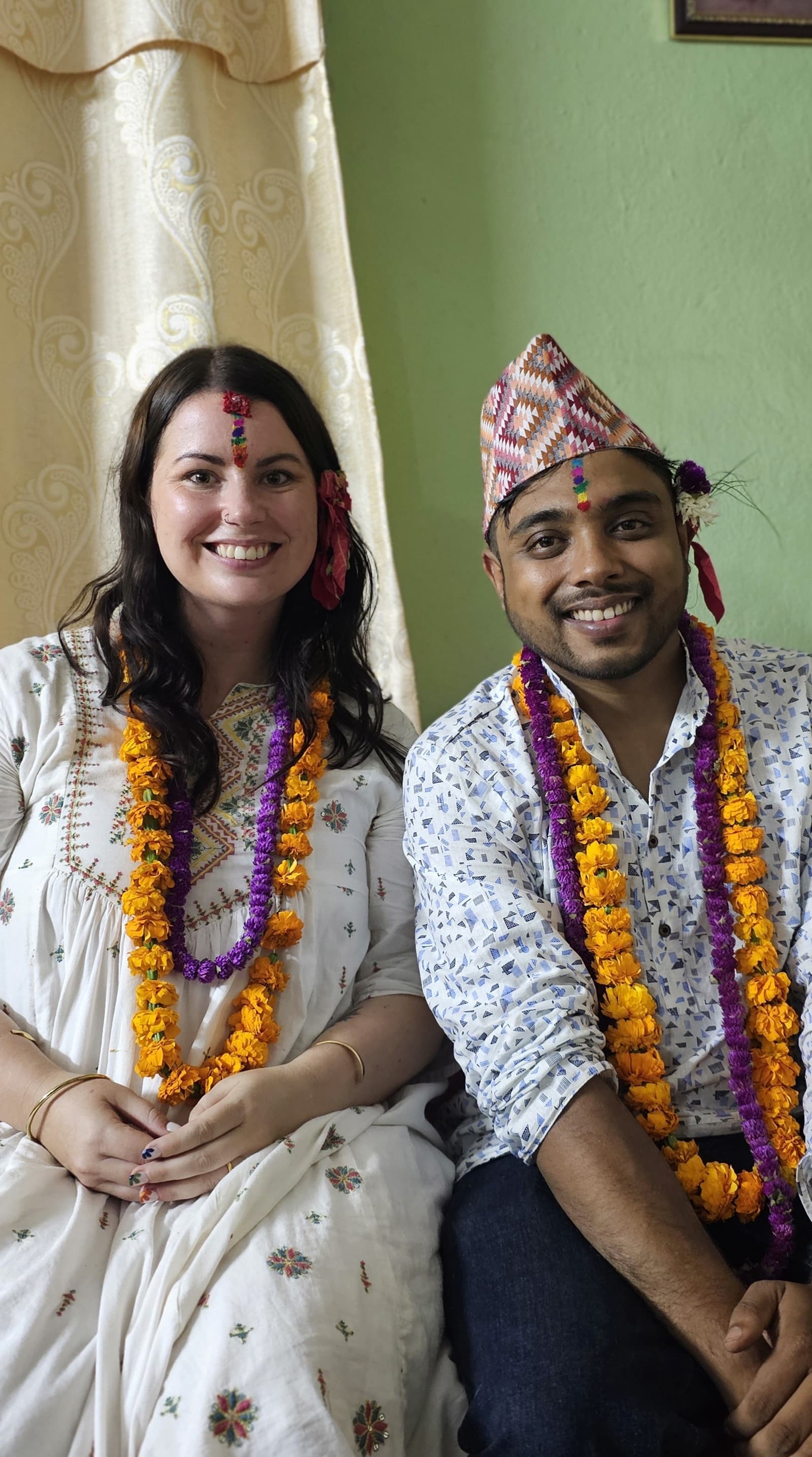
How to Respectfully Visit a Buddhist Monastery in Nepal
Visiting a Himalayan monastery or stupa is one of Nepal’s most uplifting experiences. Here is what every conscious traveler should know before stepping inside.
Kathmandu Durbar Square: Where Every Stone Holds a Story
As the first rays of sunlight enter between old brick houses, the smell of spices, incense, fresh vegetables, and traditional sweets fills the air. Ason is not just a marketplace—it is living memory.
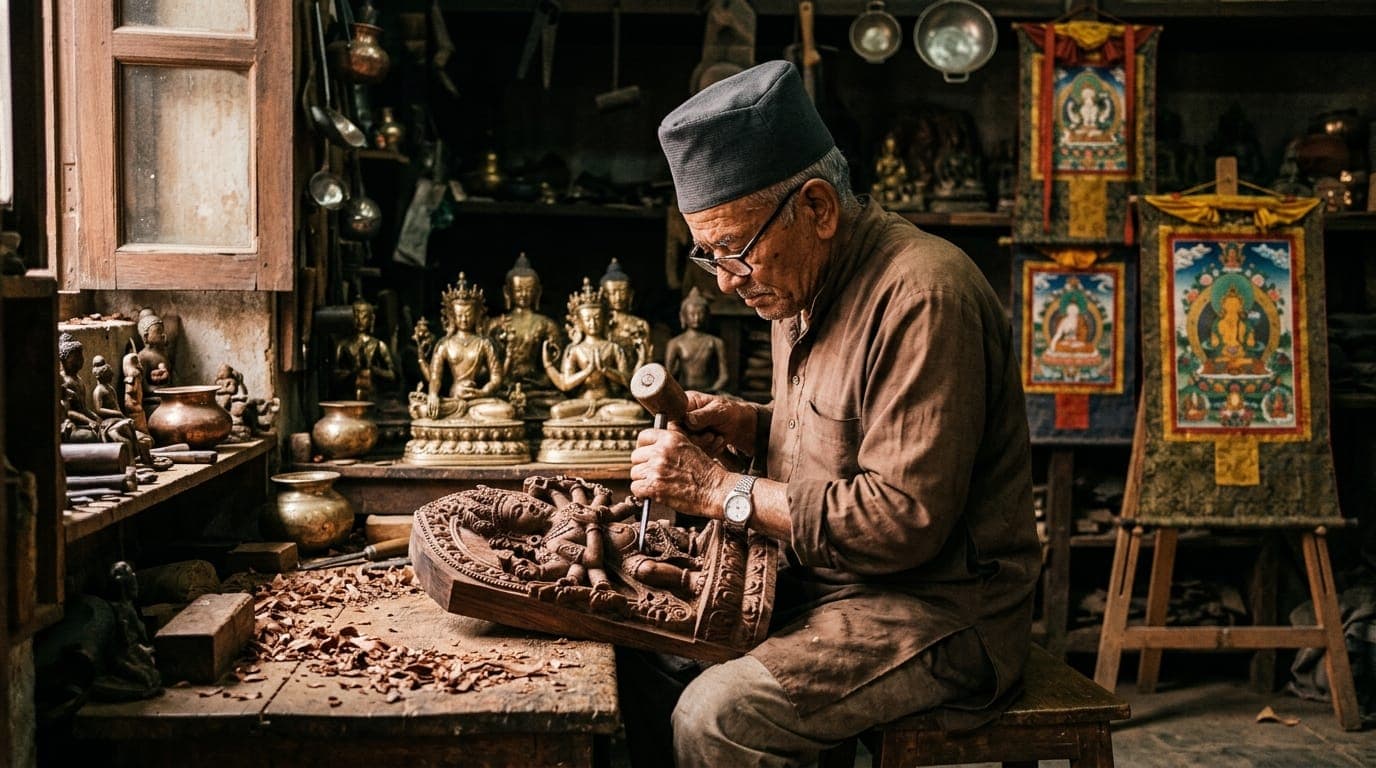
Patan Durbar Square: The City of Hidden Courtyards and Living Craft
There is something different about Patan. If Kathmandu is vibrant and energetic, Patan feels thoughtful and artistic—a sanctuary for master metalworkers and hidden courtyards.