
Kathmandu Durbar Square: Where Every Stone Holds a Story
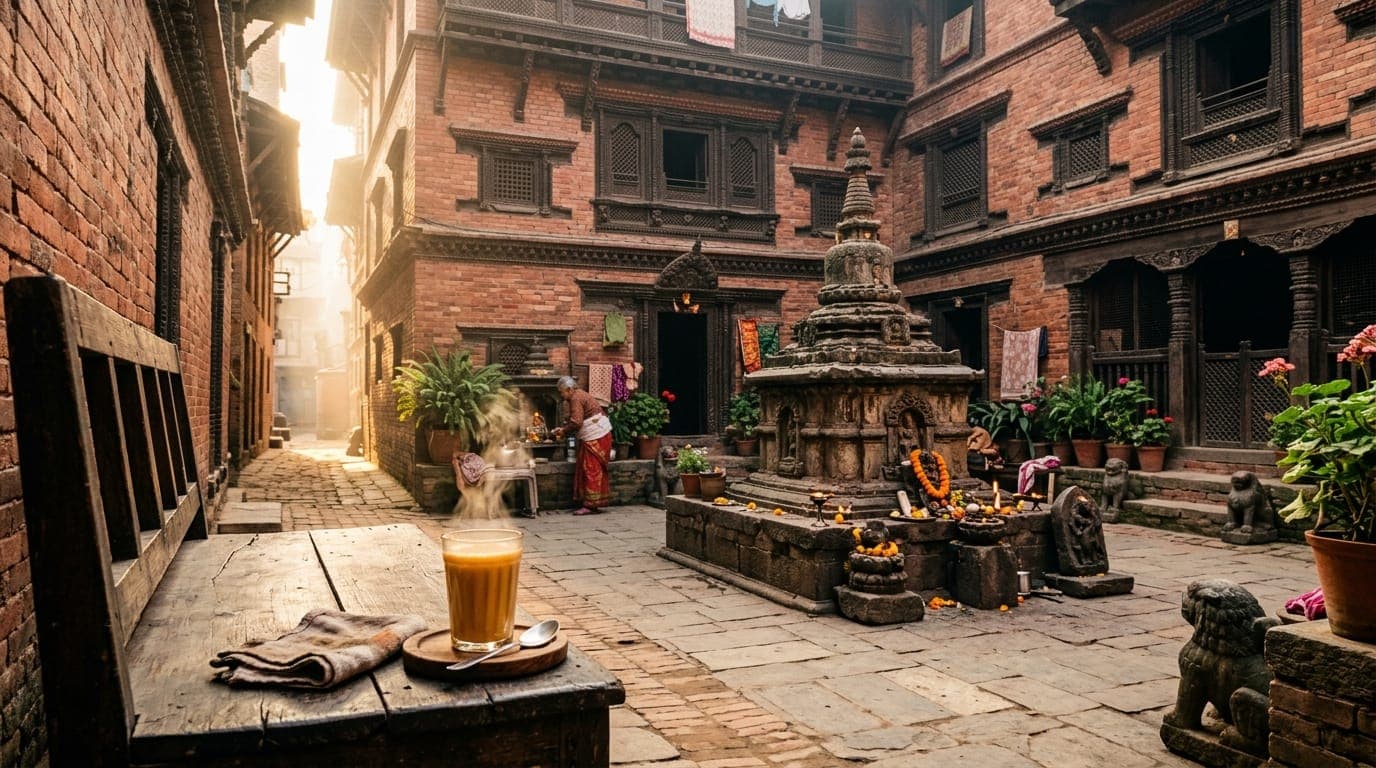
If you want to understand Kathmandu, start with an early morning walk through Ason.

1) Kathmandu Durbar Square: Where Every Stone Holds a Story
**If you want to understand Kathmandu, do not start with a monument.Start with a morning walk.Start where the city wakes up in the narrow alleys of Ason.**
As the first rays of sunlight enter between old brick houses, the smell of spices, incense, fresh vegetables, and traditional sweets fills the air. Shopkeepers open wooden shutters that have witnessed generations of customers. People rush through lanes that appear too narrow for a modern city, yet somehow carry the rhythm of thousands of years.
This is not just a marketplace.
This is a memory.
For centuries, Ason remained one of the beating hearts of Kathmandu, standing along ancient trade routes that connected the southern plains of India with the Tibetan plateau. Traders, pilgrims, monks, and travellers passed through these streets carrying goods, stories, beliefs, and cultures.
Perhaps that is why Kathmandu has always felt different.
It was never a city that belonged to only one culture.
It was a meeting point.
A place where northern mountains met southern civilizations.
A place where Hindu temples stood beside Buddhist monasteries.
A place where merchants discussed business while bells from nearby shrines reminded them of something beyond wealth.
A City Designed for Human Connection
One of Kathmandu's greatest secrets is hidden not in its palaces, but in its neighbourhoods.
The old settlements were designed around people.
A family could live in a traditional courtyard house, walk a few steps to a temple, visit a nearby market, meet neighbours in community spaces, and participate in festivals that connected generations.
The city was not separated into residential areas, commercial areas, and religious zones like many modern cities. Life happened together.
A temple was not only a place of worship.
A courtyard was not only empty space.
A marketplace was not only for buying and selling.
Everything had a purpose.
The traditional Newar settlements of the valley show a remarkable understanding of community living, where architecture, social relationships, culture, and daily activities were woven together.
As the world discusses climate change and the importance of sustainable urban living, the traditional close-knit communities of Kathmandu Valley offer a valuable lesson. For centuries, these settlements were designed around people with homes, markets, temples, schools, and social spaces within walking distance.
Heritage conservationist Anil Chitrakar, often regarded as a walking encyclopedia of Nepal’s heritage, highlights how these traditional communities represent a way of living where culture, sustainability, and human connection existed together.
Kathmandu reminds the world that the future of cities is not only about technology, but also about preserving communities where people live, work, and care for each other. The Valley That Attracted Kings
Why did so many rulers dream of controlling Kathmandu?
Because Kathmandu was never just beautiful.
It was valuable.
The valley had fertile land, water resources, skilled artisans, and a strategic location between Tibet and the Indian subcontinent. Whoever controlled Kathmandu controlled the centre of trade, administration, and influence in the Himalayan region.
The earliest chapters of Kathmandu's recorded history take us back to ancient kingdoms, including the Licchavi period, when administration, art, inscriptions, and religious architecture began flourishing. Imagine walking through Kathmandu today and knowing that beneath the roads and houses is a civilization that has been continuously evolving for centuries.
The city you see is not one city.
There are many cities built on top of each other.
When Rivalry Created Beauty
Then came the Malla era, the age when Kathmandu Valley became a canvas for royal imagination.
The kings of Kathmandu, Patan, and Bhaktapur competed with each other, not only for power but also for beauty.
They wanted their temples to reach higher.
They wanted their palaces to become grander.
They wanted their cities to be remembered.
This rivalry created something extraordinary.
A competition of creativity.
The result was a valley filled with artistic treasures where wood, stone, metal, and brick were transformed into stories. The artisans were not simply builders.
They were storytellers.
A carved window was a chapter.
The temple roof was a poem.
A courtyard was a gathering place where generations shared life. Entering Basantapur: Where the Stones Remember
As the walk continues from Ason towards Basantapur, the noise of the market slowly meets the silence of history.
And suddenly, Kathmandu changes.
The old palace walls appear.
The temples rise above the square.
The wooden carvings look down as if they have been watching the city for centuries.
Kathmandu Durbar Square is not a place where history ended.
It is a place where history is still breathing.
Here, kings were crowned.
Festivals were celebrated.
Artists created masterpieces.
And ordinary people continued their everyday lives around extraordinary monuments.
The palace was never separated from the people.
The city and the palace grew together.
Sakar
Responsible Tour Director & Cultural Guide
Born in Nepal with deep roots in Himalayan heritage and community-based hospitality. As Responsible Tour Director, Sakar guides curious international travelers beyond mass tourism, facilitating authentic human connections, spiritual stillness, and sustainable village livelihoods.
Create Your Own Himalayan Story with Sakar
Explore the quiet valleys, sacred spaces, and living heritage described in this journal.
Featured Journeys Connected to Our Stories
Turn field essays into lived reality. These are our three featured experiences curated for thoughtful travelers.
Kathmandu Durbar Square: Where Every Stone Holds a Story
If you want to understand Kathmandu, do not start with a monument. Start with a morning walk where the city wakes up in the narrow alleys of Ason.
Bhaktapur Durbar Square: A Walk Through Nepal’s Living Medieval City
Bhaktapur is not a place where you simply visit the past. It is a place where the past still welcomes you. It slowed down and protected its memories.
Patan Durbar Square: The City of Hidden Courtyards and Living Craft
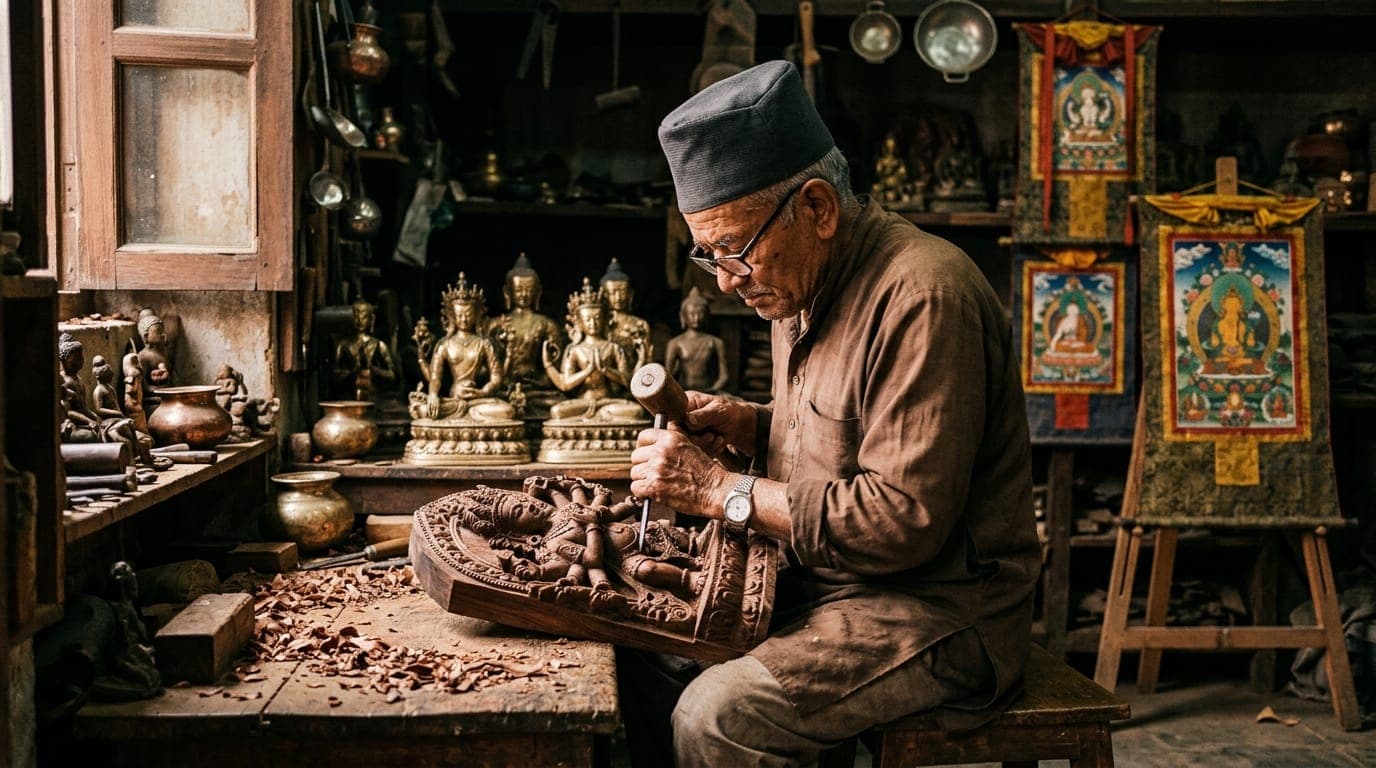
Patan is a city of makers. In Kathmandu, you encounter history everywhere. In Bhaktapur, you feel history surrounding everyday life. In Patan, you can watch history being made by hand.
More Stories From Sakar's Journal

A Morning Inside a Nepali Village Home: Food, Hearth & Stories
The kitchen in a traditional Nepali home is the sacred center of family life. Step inside the fragrant world of woodfire cooking and genuine mountain hospitality.

Matthew and heena
Matthew had just navigated the treacherous, mud-caked terrain of flood-affected Dhading, dodging landslides and wading through swollen streams, but nothing prepared him for the intense salon operat...

Threading Seven Decades: Altan Baje's Journey from Turkey to The Looms of Nepal
the powerful, reflective journey of Altan Baje, a 70-year-old Turkish fashion industry veteran who built a decades-long career within the high-stakes supply chain and management world of global fas...