
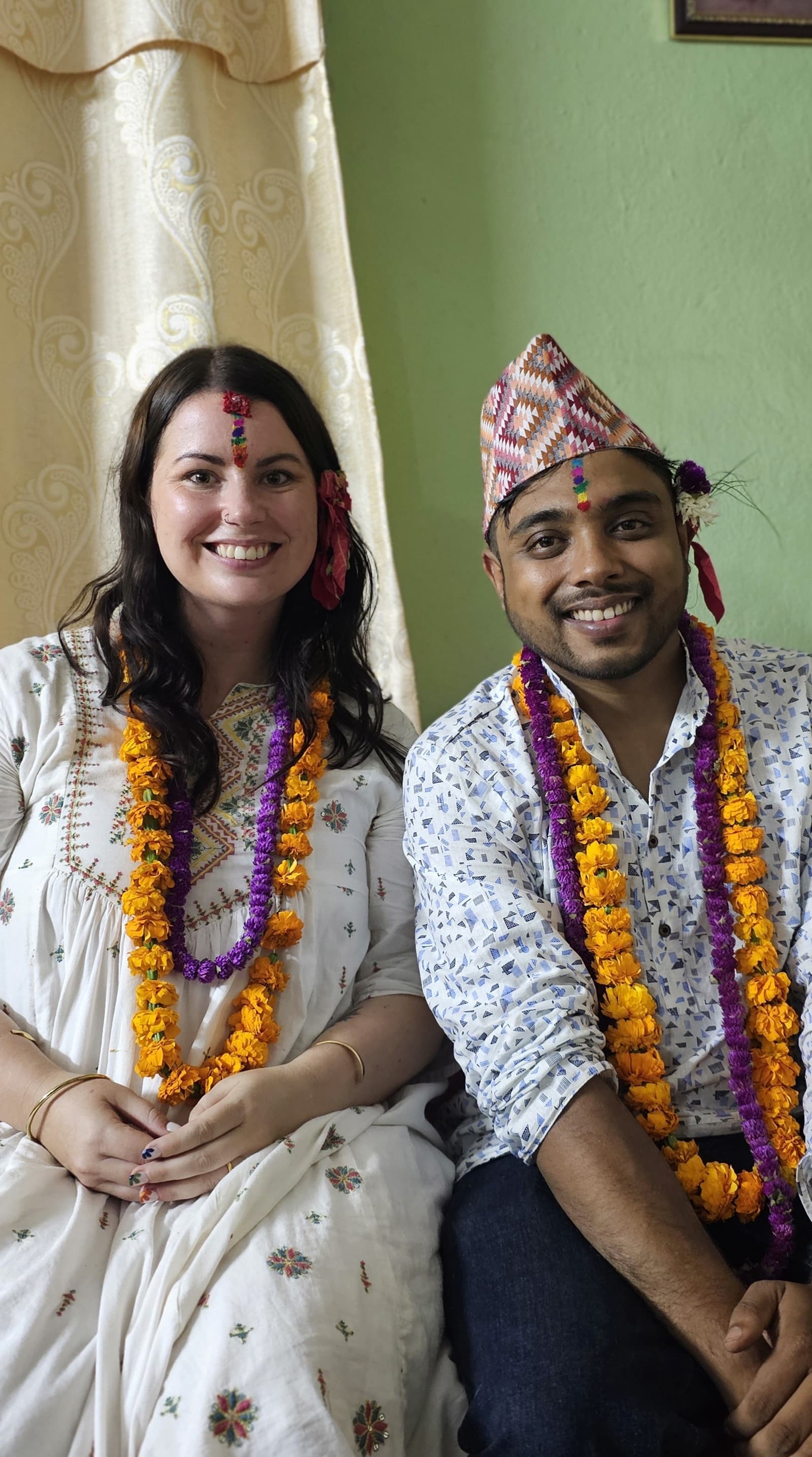
How to Respectfully Visit a Buddhist Monastery in Nepal
A thoughtful guide for foreign travelers on dress, photography, clockwise walking, and cultural respect.

Himalayan monasteries (Gompas) and sacred stupas are not tourist attractions or photo studios — they are active spiritual sanctuaries, monastic schools, and places of profound daily devotion. Approaching them with mindfulness, quiet awareness, and cultural etiquette ensures that your presence is a blessing rather than an intrusion.
Essential Etiquette Guidelines
Monastery & Stupa Protocol for Foreign Travelers
Always Walk Clockwise (Kora)
When walking around a stupa, shrine, mani stone wall, or temple, always walk in a clockwise direction with the sacred structure to your right side.
Remove Shoes & Headwear Before Entering
Take off your shoes and hats before entering the main prayer hall (gompa). Place them neatly on the shoe racks outside.
Dress Modestly with Covered Shoulders and Knees
Avoid sleeveless tops, short shorts, or revealing clothing. Loose, comfortable pants and a lightweight shawl are ideal.
Never Point Your Feet Toward Shrines or Monks
When sitting in a monastery hall, tuck your legs under or sit cross-legged. Pointing the soles of your feet toward Buddha statues or spiritual teachers is considered disrespectful in Nepali and Tibetan culture.
Ask Permission Before Photographing Monks
Never interrupt a monk during active chanting or meditation for a selfie. Most monasteries prohibit photography inside the main altar room — always look for signs or ask your guide first.
Do Not Step Over Sacred Items or Doorway Thresholds
Step cleanly over wooden raised door thresholds without stepping directly on top of them, as thresholds represent boundaries between the mundane and sacred realms.
Leave a Modest Donation (Daan)
Monasteries welcome travelers warmly without admission fees. Leaving a modest cash offering (e.g., 50 to 200 rupees) in the donation box helps support young novice monks and elderly caretakers.
When you travel with Explore With Sakar, I personally guide you through each sacred site, explaining the symbolism of murals, mandalas, and ritual instruments while ensuring you feel completely at ease and culturally respectful throughout your visit.
Sakar
Responsible Tour Director & Cultural Guide
Born in Nepal with deep roots in Himalayan heritage and community-based hospitality. As Responsible Tour Director, Sakar guides curious international travelers beyond mass tourism, facilitating authentic human connections, spiritual stillness, and sustainable village livelihoods.
Planning your visit to Nepal’s sacred sites?
Sakar offers personalized spiritual and cultural consultations to help you prepare your journey with confidence.
Featured Journeys Connected to Our Stories
Turn field essays into lived reality. These are our three featured experiences curated for thoughtful travelers.
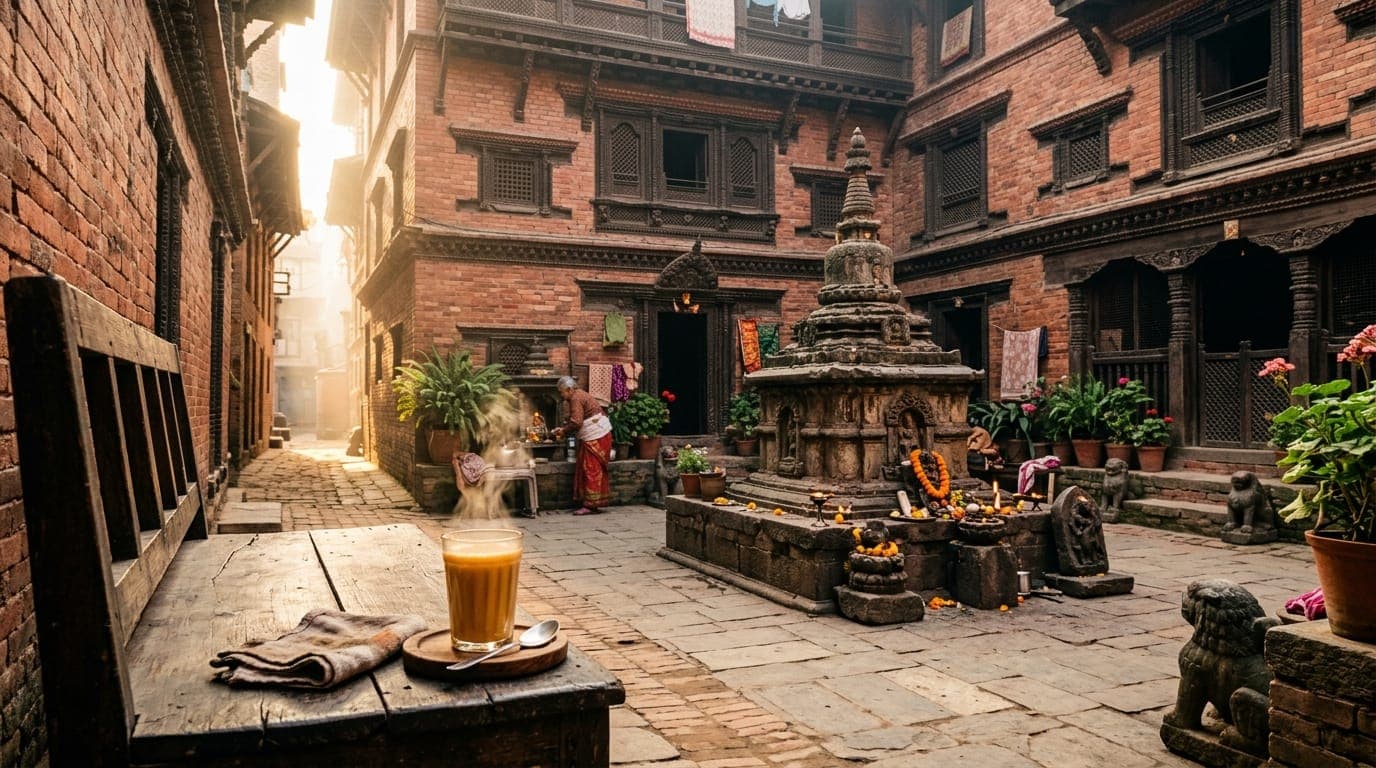
Kathmandu Durbar Square: Where Every Stone Holds a Story
If you want to understand Kathmandu, do not start with a monument. Start with a morning walk where the city wakes up in the narrow alleys of Ason.
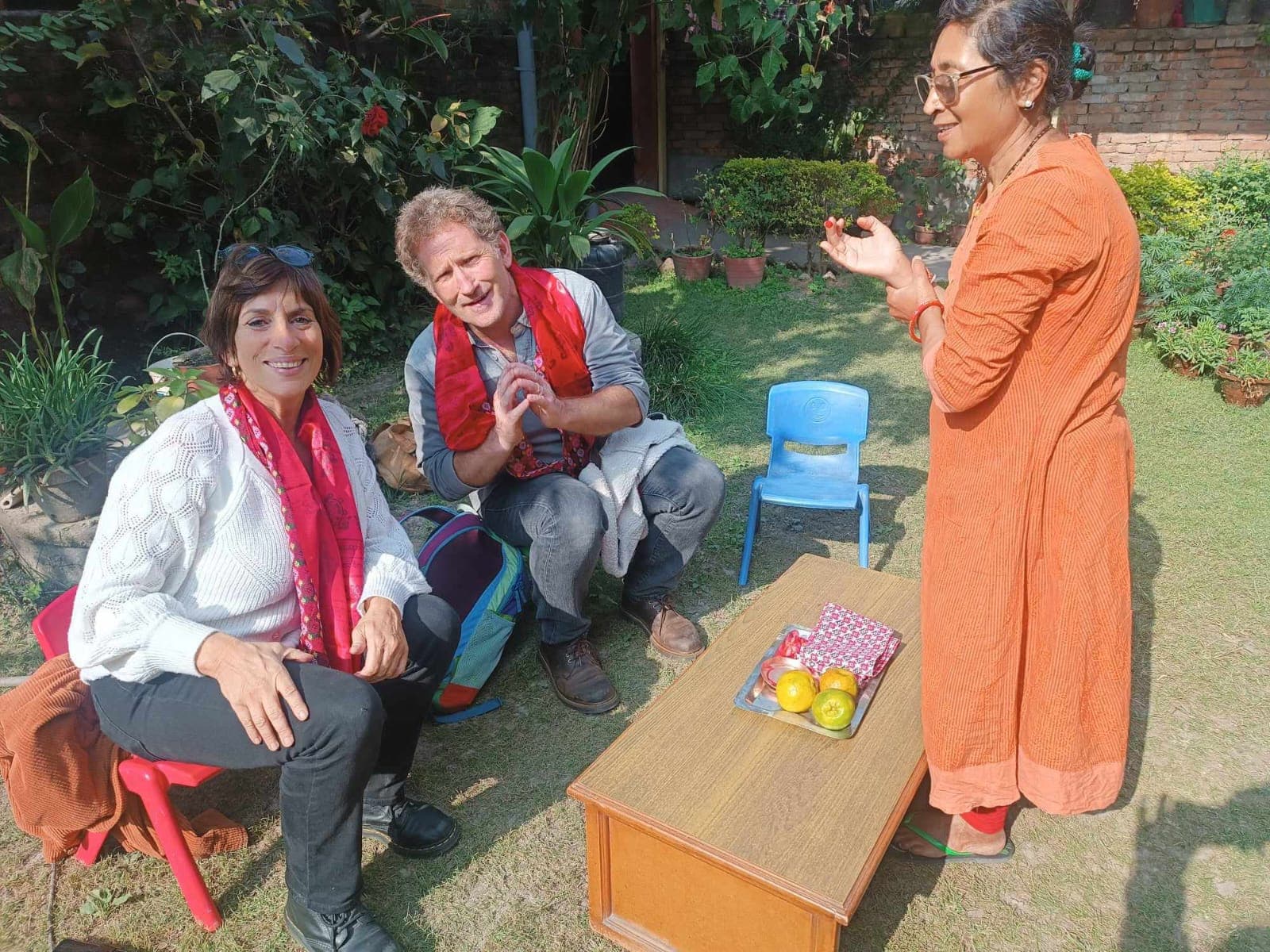
Bhaktapur Durbar Square: A Walk Through Nepal’s Living Medieval City
Bhaktapur is not a place where you simply visit the past. It is a place where the past still welcomes you. It slowed down and protected its memories.
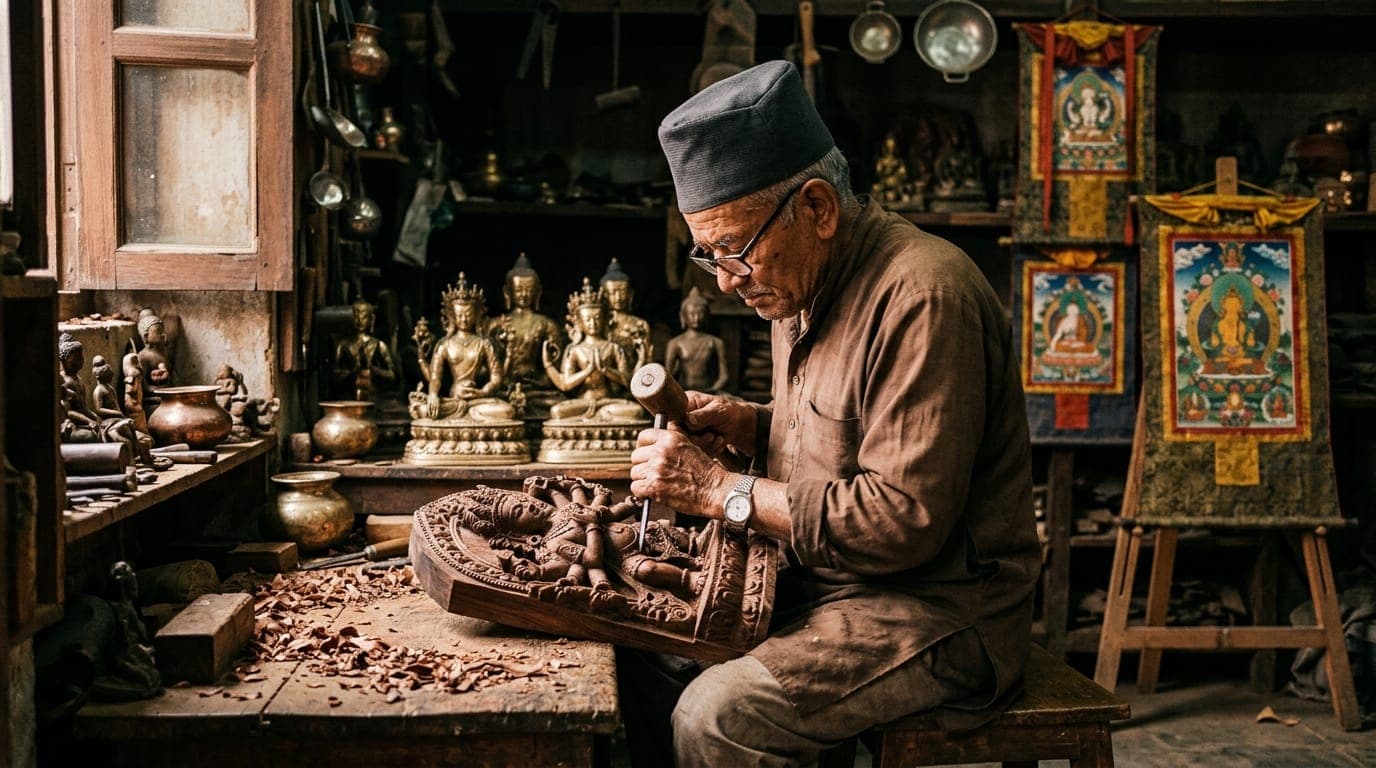
Patan Durbar Square: The City of Hidden Courtyards and Living Craft
Patan is a city of makers. In Kathmandu, you encounter history everywhere. In Bhaktapur, you feel history surrounding everyday life. In Patan, you can watch history being made by hand.
More Stories From Sakar's Journal
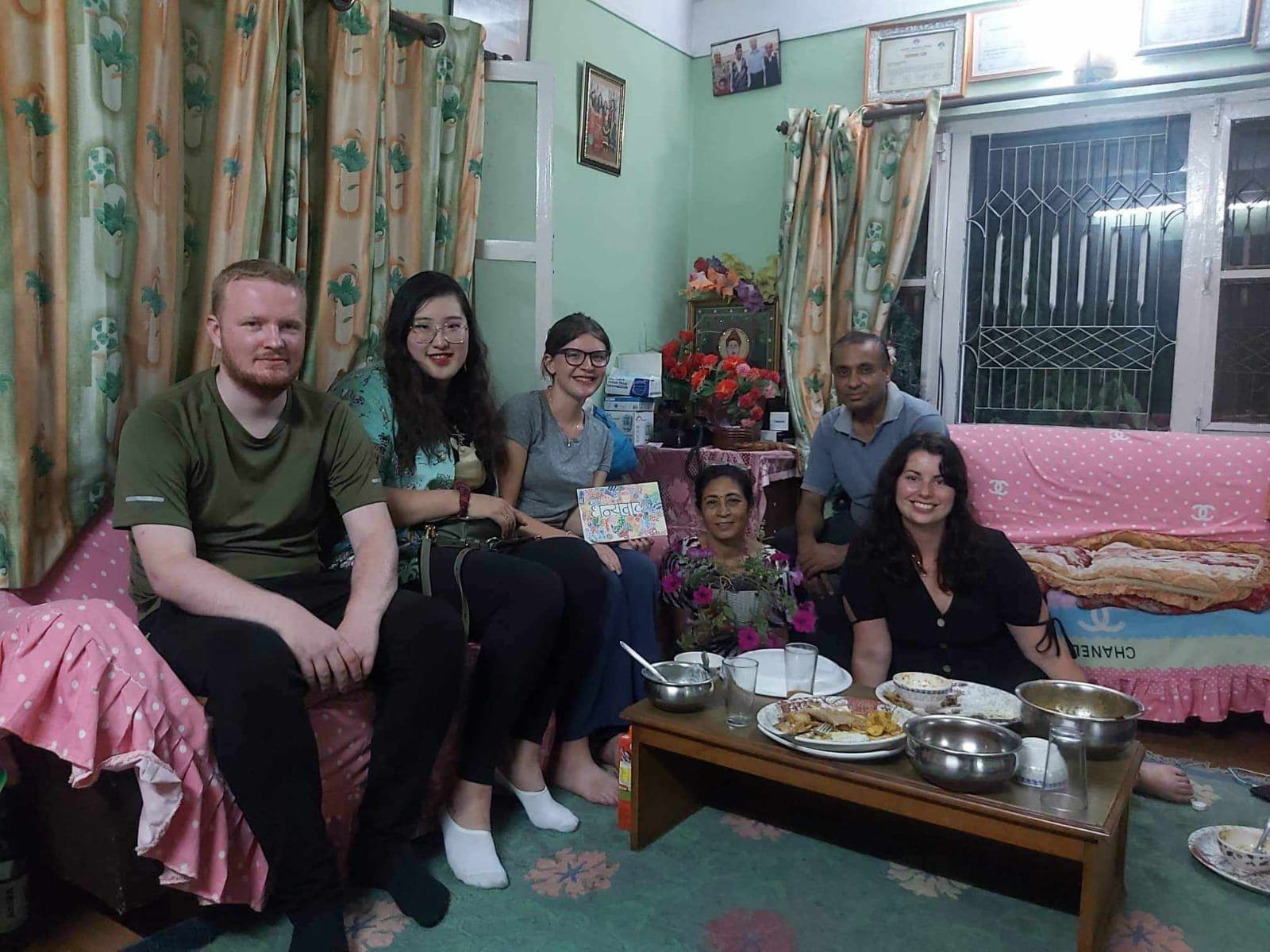
The Stories Hidden Inside Kathmandu's Ancient Bahals
Behind the bustling modern motorbikes and shopfronts lie sacred courtyards where time stands still, water spouts flow with mountain springs, and daily rituals continue undisturbed.
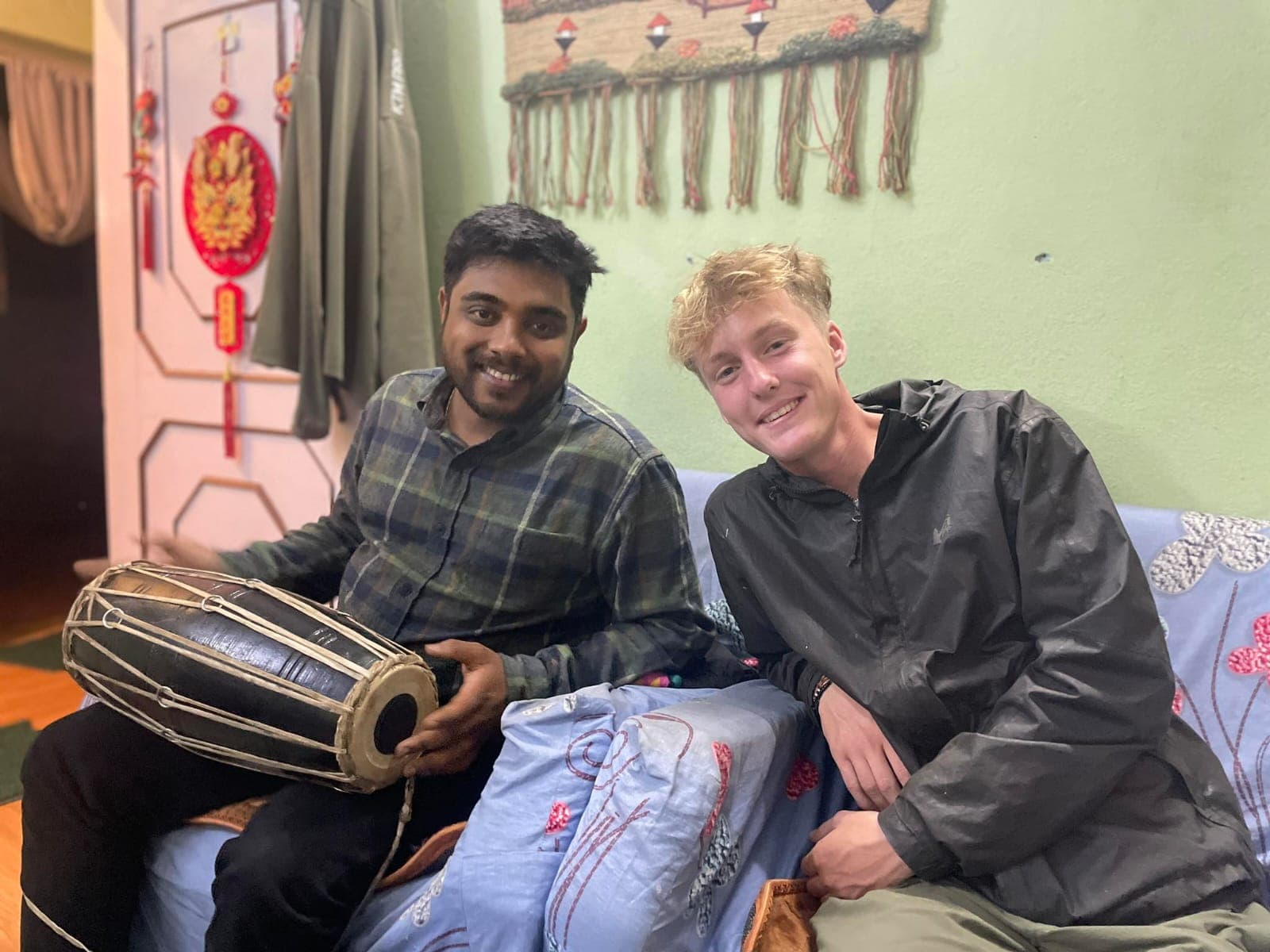
Why Staying With a Family Can Change the Way You Travel
Hotels provide comfort, but village homestays provide belonging. Here is why staying under a Nepali family’s roof transforms your relationship with travel.
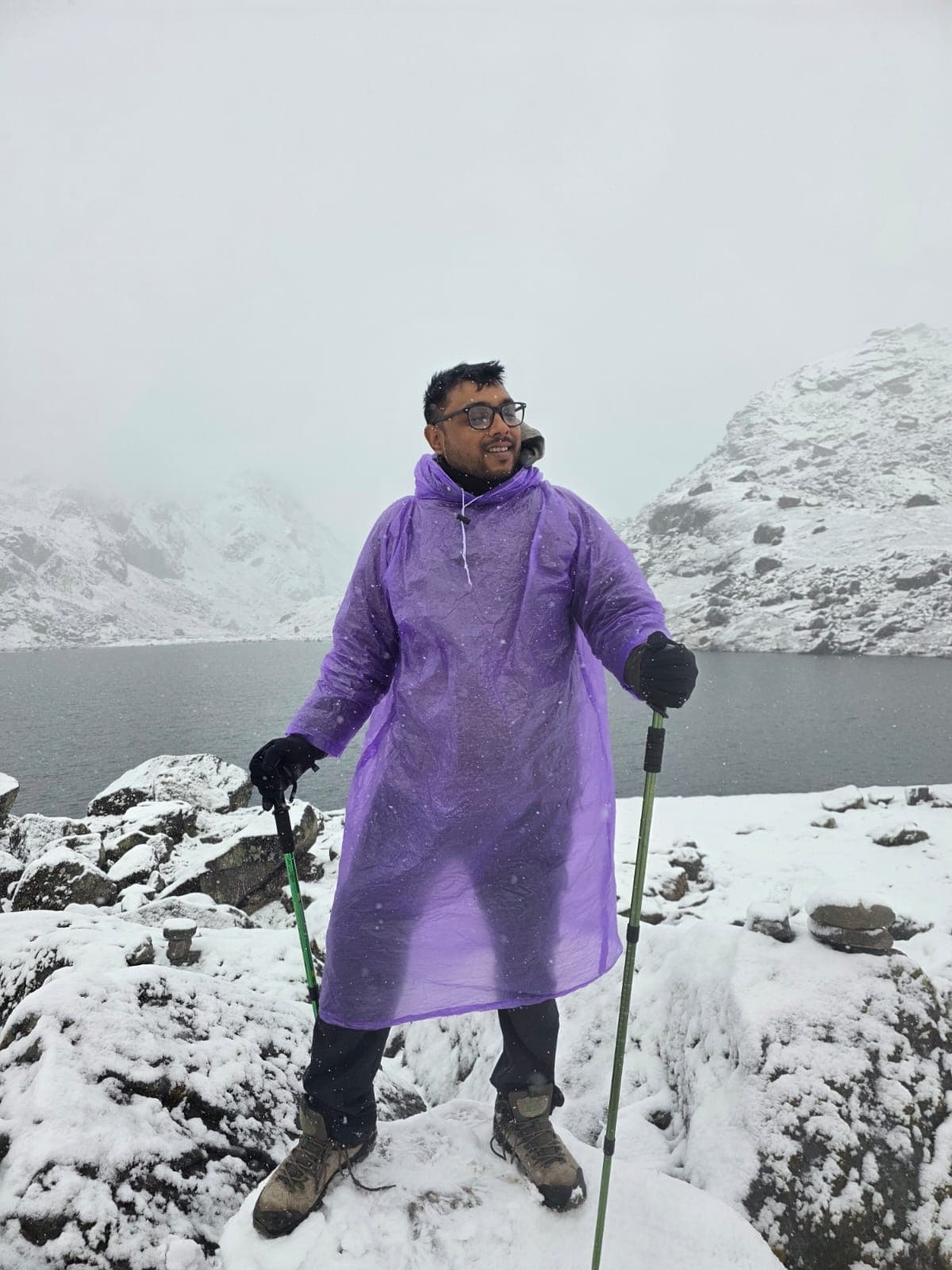
A Morning Inside a Nepali Village Home: Food, Hearth & Stories
The kitchen in a traditional Nepali home is the sacred center of family life. Step inside the fragrant world of woodfire cooking and genuine mountain hospitality.