
What Silence Can Teach Us in a Buddhist Monastery
Witnessing the dawn puja, the resonance of deep horns, and the medicine of still contemplation.

The low, resonant sound of the dungchen (long Himalayan horn) echoed through the mountain pine trees at 5:00 AM, calling the resident monks to the morning prayer hall. It was pitch black outside, save for the blanket of stars stretching across the Himalayan sky.
Walking into the gompa (monastery hall), the aroma of juniper incense and warm clarified butter immediately envelops you. There is no performance here; what you witness is a sacred practice that has been maintained in unbroken lineage for over a thousand years.
“Meditation in Nepal is not an isolated exercise you do on a mat for an hour. It is woven into the very fabric of daily life — in how a cup of water is offered, how an elder greets you with folded palms, and how prayer wheels turn with the river current.”
The Chanting of Mantras and Inner Resonance
As twenty monks began their rhythmic chanting in deep harmonic tones, the vibrations could be felt directly in your chest. The sound is designed not merely for the ears, but to calm the nervous system and anchor the wandering mind into the present moment.
Spiritual practices in Nepal span ancient stupas, monastery halls, and sonic healing disciplines.
I often encourage guests not to take out their cameras during these moments. Put the lens down. Close your eyes. Allow the reverberation of bronze singing bowls and Tibetan cymbals to wash over you. The mental clutter of airports, work deadlines, and travel logistics dissolves into pure stillness.
Humble Respect Over Mystification
One important distinction I share with everyone I guide is that Nepali spirituality is grounded in everyday kindness. The monks are joyful people who laugh easily, share butter tea, and care deeply about their local communities. You do not need to adopt a new religion to feel the quiet blessings of these sacred places.
Sakar
Responsible Tour Director & Cultural Guide
Born in Nepal with deep roots in Himalayan heritage and community-based hospitality. As Responsible Tour Director, Sakar guides curious international travelers beyond mass tourism, facilitating authentic human connections, spiritual stillness, and sustainable village livelihoods.
Curious to experience Nepal’s spiritual heritage?
Tell Sakar what you are seeking — whether singing bowl meditation, sacred monastery visits, or peaceful retreat spaces.
Featured Journeys Connected to Our Stories
Turn field essays into lived reality. These are our three featured experiences curated for thoughtful travelers.
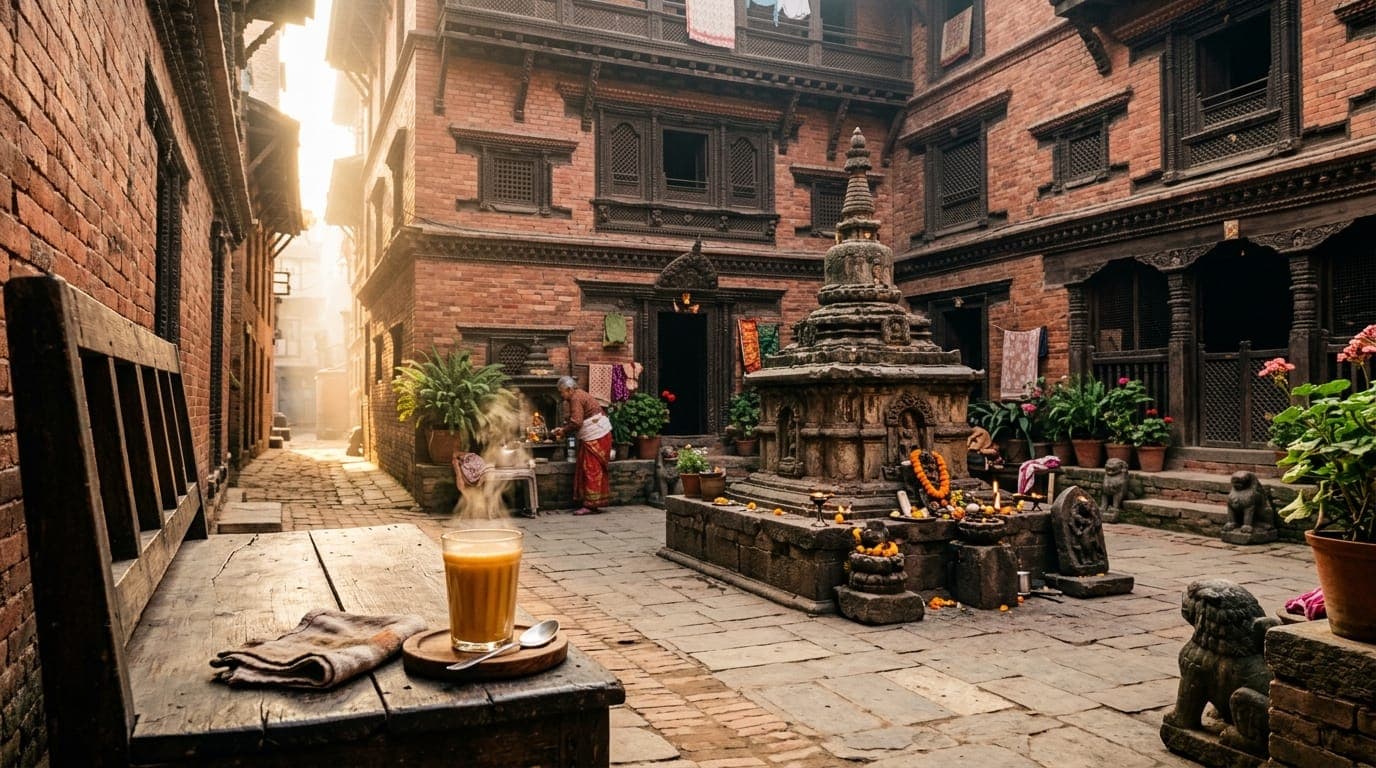
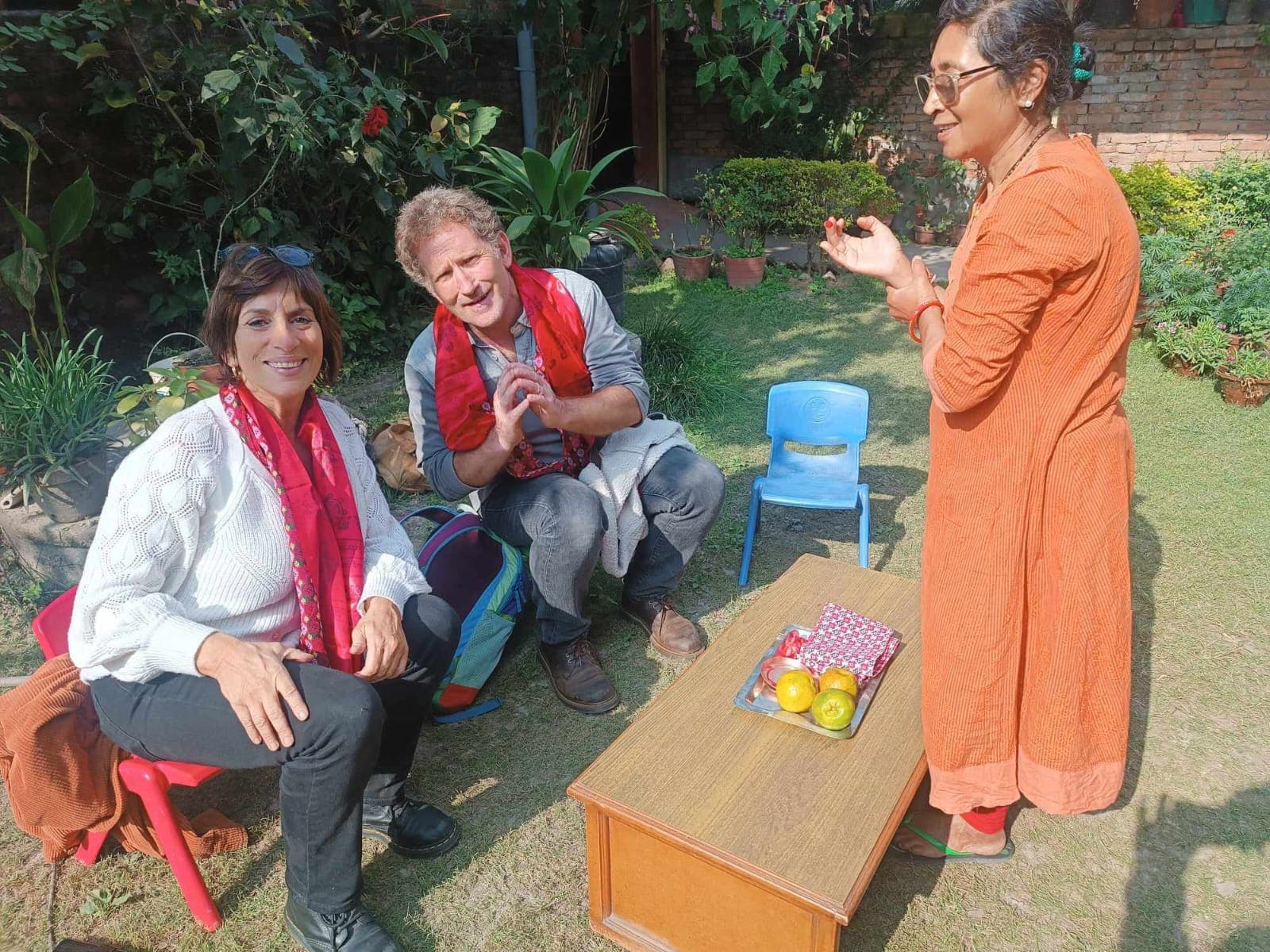
Kathmandu Durbar Square: Where Every Stone Holds a Story
If you want to understand Kathmandu, do not start with a monument. Start with a morning walk where the city wakes up in the narrow alleys of Ason.
Bhaktapur Durbar Square: A Walk Through Nepal’s Living Medieval City
Bhaktapur is not a place where you simply visit the past. It is a place where the past still welcomes you. It slowed down and protected its memories.
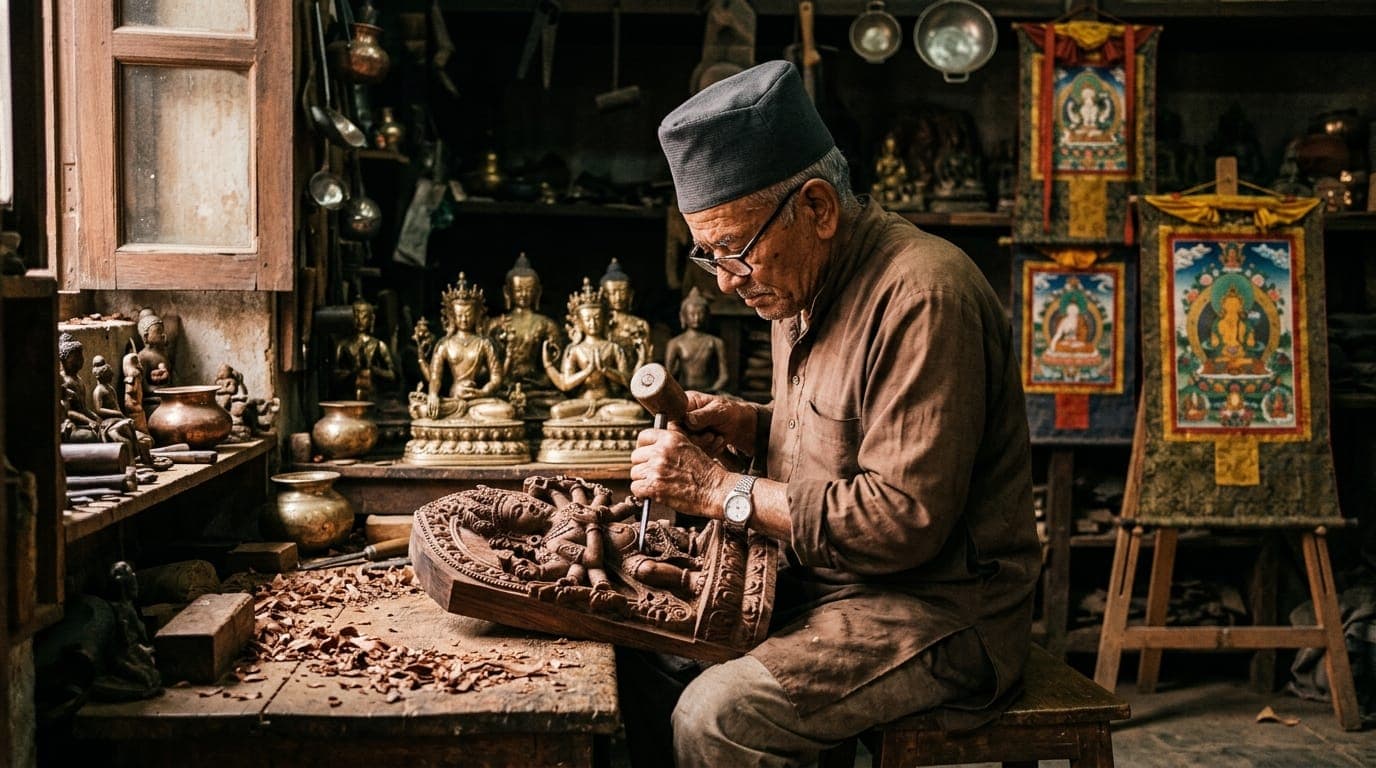
Patan Durbar Square: The City of Hidden Courtyards and Living Craft
Patan is a city of makers. In Kathmandu, you encounter history everywhere. In Bhaktapur, you feel history surrounding everyday life. In Patan, you can watch history being made by hand.
More Stories From Sakar's Journal
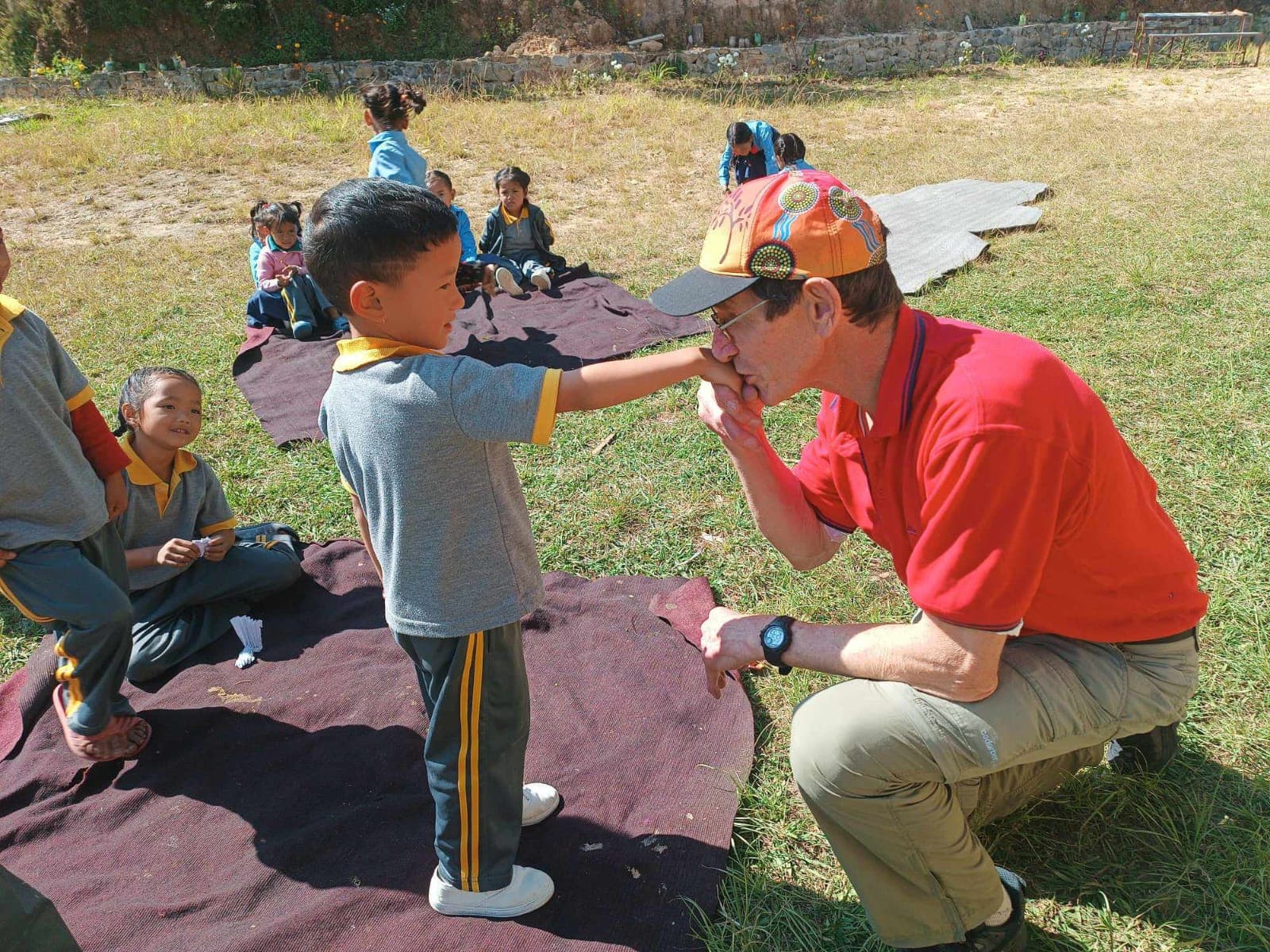
The Morning I Learned to Slow Down in the Himalayas
I have walked countless mountain paths across Nepal, but some mornings stay with you for reasons that have very little to do with the view.
How to Respectfully Visit a Buddhist Monastery in Nepal
Visiting a Himalayan monastery or stupa is one of Nepal’s most uplifting experiences. Here is what every conscious traveler should know before stepping inside.
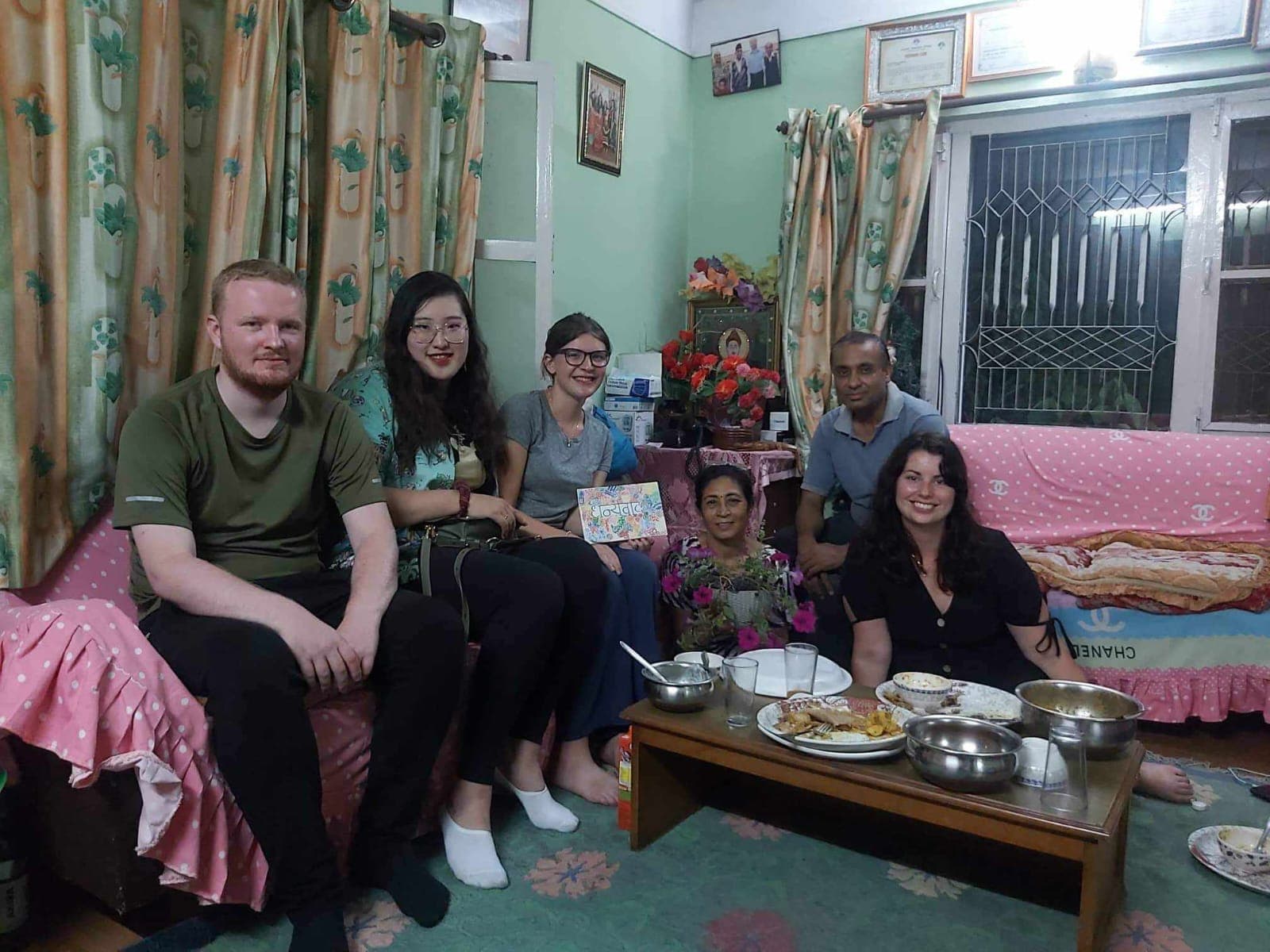
The Stories Hidden Inside Kathmandu's Ancient Bahals
Behind the bustling modern motorbikes and shopfronts lie sacred courtyards where time stands still, water spouts flow with mountain springs, and daily rituals continue undisturbed.