

The Cosmic Language of Sound: Vibration and Inner Harmony
In Nada Yoga, sound is not just music—it is a sacred pathway to discovering subtle stillness within.

Every movement in the universe carries a rhythm . The movement of planets, the flow of rivers, the breath of humans and the silent pulse of nature. Ancient yogic traditions describe this primordial vibration as Nada, the inner and cosmic sound that connects individual consciousness with the greater universe.The Himalayan singing bowl is not simply a musical instrument. It is considered by practitioners as a bridge between the outer world of sound and the inner world of awareness. When the bowl is gently played, it creates layers of tones and overtones that fill the space, inviting the mind to slow down and enter a state of deep listening.The beauty of these sounds lies not only in the note we hear, but in the vibration that continues beyond the note itself. Like the harmony found in nature, the different frequencies blend together, creating a sense of balance and resonance.
In the tradition of Nada Yoga, sound is seen as a pathway of meditation. The journey begins with listening to external sounds and gradually moves toward discovering the subtle silence within. The famous sacred sound Om (Aum) is traditionally regarded as a symbol of the universal vibration from which creation emerges.
During a sound healing experience, the bowl does not provide answers; it creates a space. A space where thoughts become quieter, emotions can be observed and one can reconnect with the rhythm of their own existence. Perhaps that is why sound has been an integral part of spiritual traditions for thousands of years. Sometimes, healing does not come from searching for something new, but from remembering the vibration, stillness and awareness that have always existed within us.
In yogic traditions, the human body is believed to have seven energy centres known as chakras, each connected with a different aspect of our inner experience. Through sound and vibration, practitioners use sacred Bija Mantras to create harmony within:
Muladhara (Root) – LAM: grounding
Svadhisthana (Sacral) – VAM: creativity
Manipura (Solar Plexus) – RAM: strength
Anahata (Heart) – YAM: love
Vishuddha (Throat) – HAM: expression
Ajna (Third Eye) – OM: awareness
Sahasrara (Crown) – Silence: higher connection
The essence of sound meditation is to reconnect with the inner rhythm balancing body, mind and consciousness through vibration.
The Sacred Rhythm of Seven: Sound, Vibration and Inner Harmony
The number seven has fascinated humanity for centuries. It appears in the rhythm of time, nature and spiritual traditions. seven days of the week, seven notes of music (Sa Re Ga Ma Pa Dha Ni), seven chakras in yogic philosophy, and the Saptarishi, the seven sages who represent ancient wisdom.
Perhaps this is why sound traditions hold a special connection with the idea of seven. In **Nada Yoga**, the ancient practice of connecting through sound, vibration is considered a pathway to inner awareness. The seven notes of music become more than just melodies; they become a journey of harmony between the outer world and the inner self.
“Like a musical instrument that needs tuning, the human mind and body also seek moments of harmony.”
— Sakar's Journal
**6**) The Essence of Buddhism: A Journey Beyond Sacred Places
From the peaceful hills of Kopan Monastery to the ancient whispers of Swayambhunath, the sacred energy of Boudhanath, the meditation caves of Padmasambhava, the blessed land of Namo Buddha and the birthplace of Buddha in Lumbini each destination tells a different story, yet carries the same timeless message.Buddhism is not only about visiting monasteries, lighting lamps or walking around stupas. It is a journey inward a path to understand the mind, cultivate compassion, practice awareness and transform suffering into wisdom.
Sakar
Responsible Tour Director & Cultural Guide
Born in Nepal with deep roots in Himalayan heritage and community-based hospitality. As Responsible Tour Director, Sakar guides curious international travelers beyond mass tourism, facilitating authentic human connections, spiritual stillness, and sustainable village livelihoods.
Create Your Own Himalayan Story with Sakar
Explore the quiet valleys, sacred spaces, and living heritage described in this journal.
Featured Journeys Connected to Our Stories
Turn field essays into lived reality. These are our three featured experiences curated for thoughtful travelers.
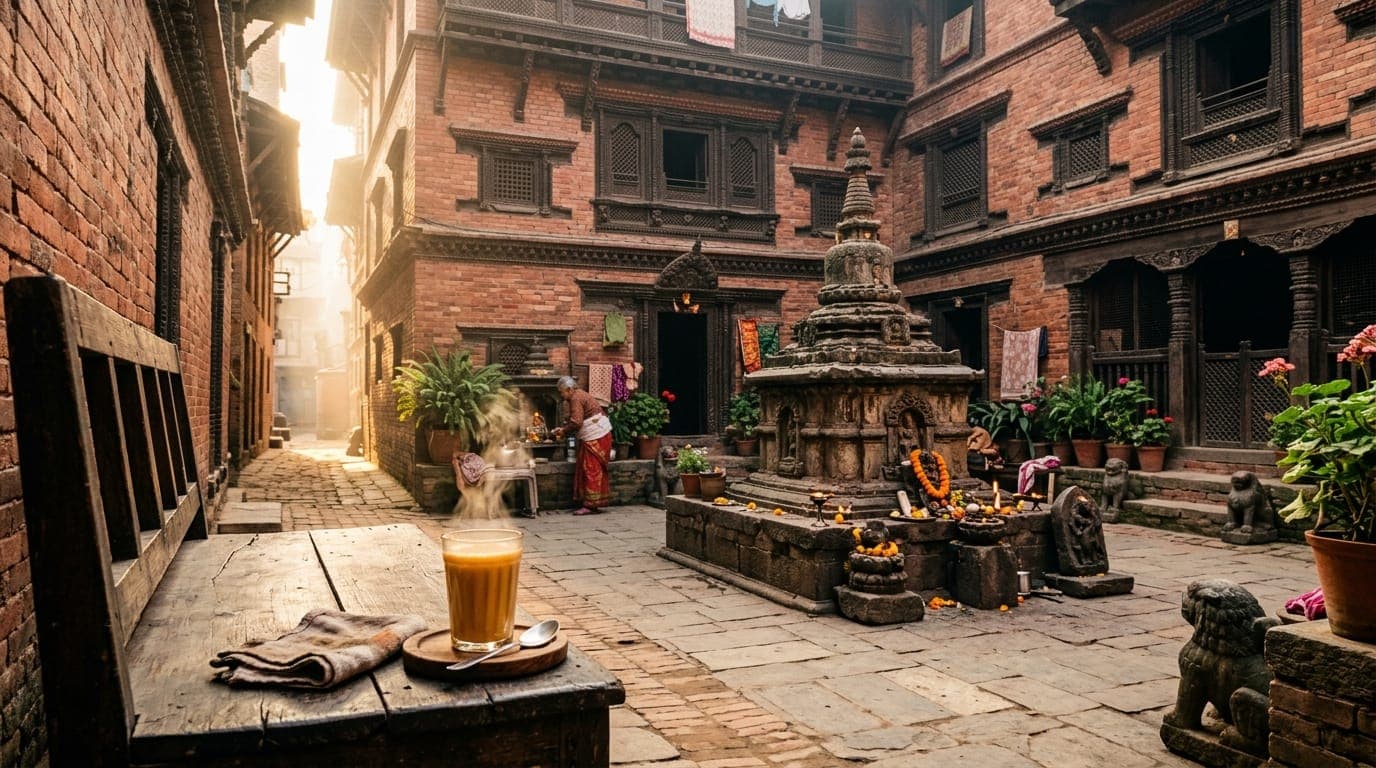
Kathmandu Durbar Square: Where Every Stone Holds a Story
If you want to understand Kathmandu, do not start with a monument. Start with a morning walk where the city wakes up in the narrow alleys of Ason.
Bhaktapur Durbar Square: A Walk Through Nepal’s Living Medieval City
Bhaktapur is not a place where you simply visit the past. It is a place where the past still welcomes you. It slowed down and protected its memories.
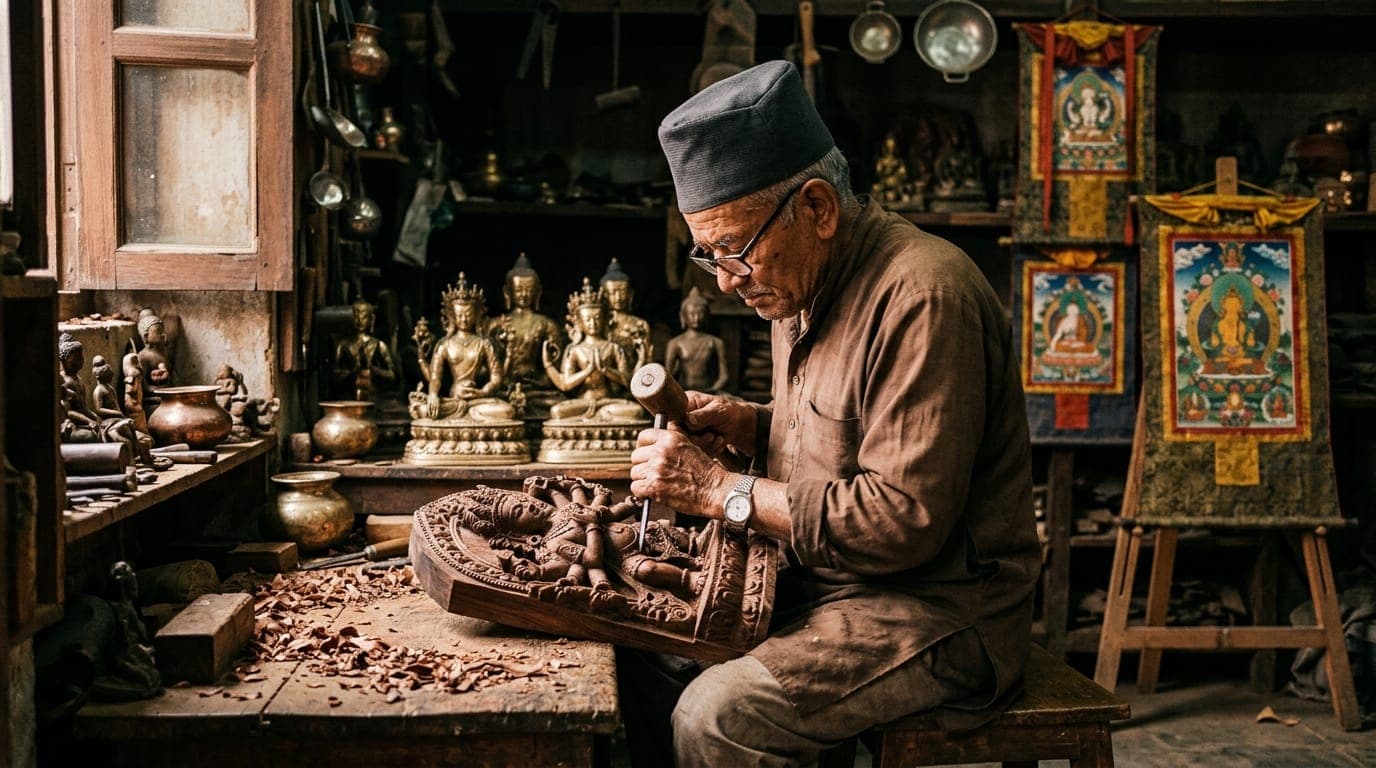
Patan Durbar Square: The City of Hidden Courtyards and Living Craft
Patan is a city of makers. In Kathmandu, you encounter history everywhere. In Bhaktapur, you feel history surrounding everyday life. In Patan, you can watch history being made by hand.
More Stories From Sakar's Journal
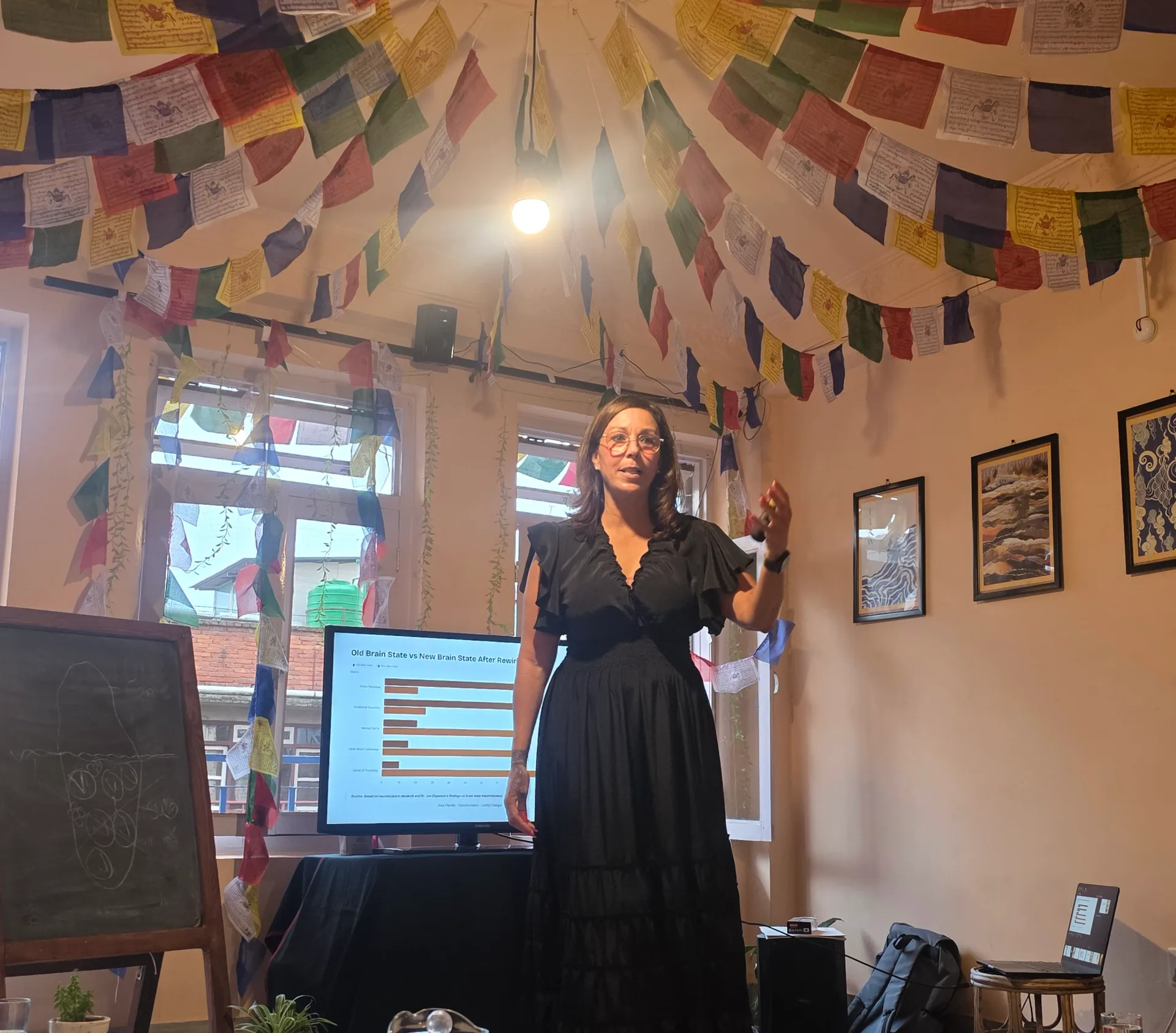
From Healing Session to Retreat: The Master Your Mind Event
It was only meant to be a quiet detour, a brief pause in a chaotic travel itinerary. Awa Prenilla had booked a simple, traditional healing session with a local shaman, seeking nothing more than a m...
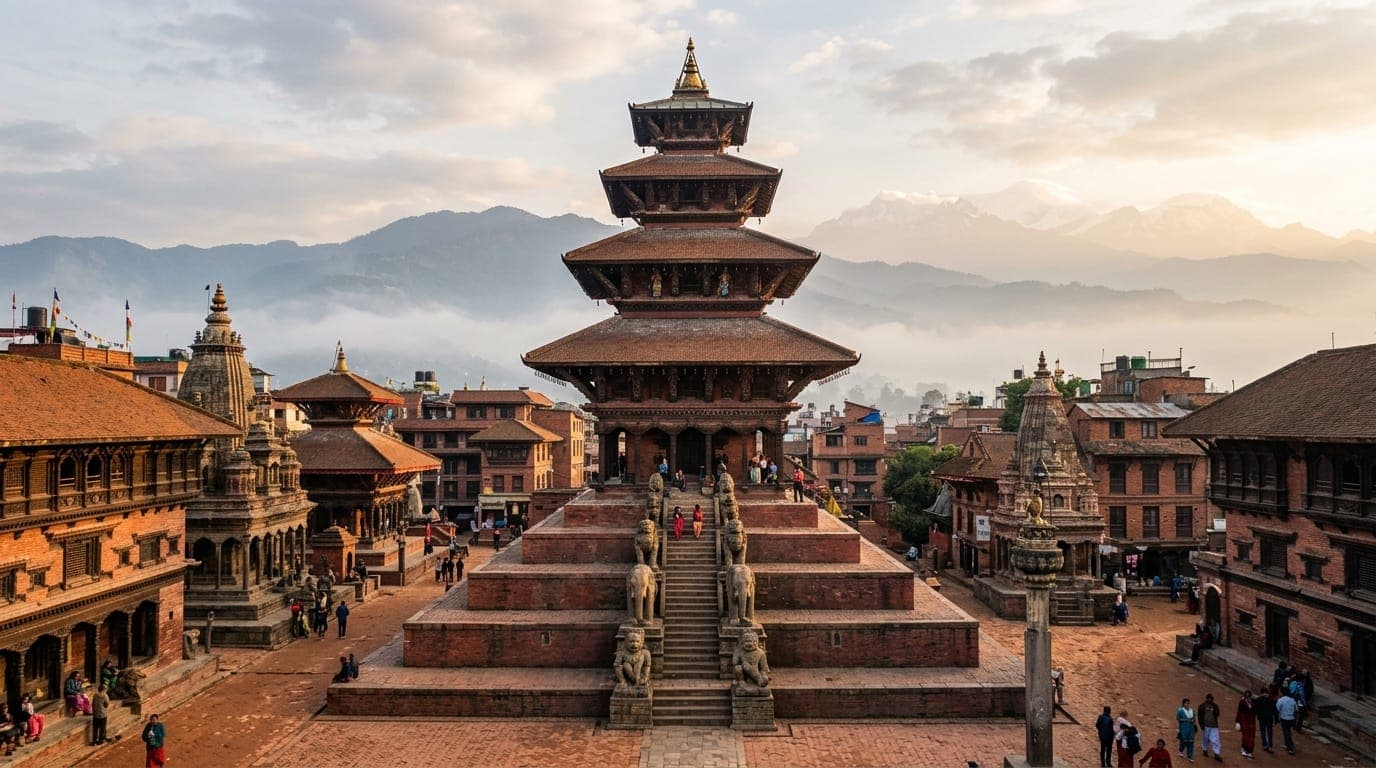
Kathmandu Valley's Hidden Spiritual Heritage: The Sacred Geometry of Kathmandu, Patan and Bhaktapur
Behind the temples, courtyards and sacred boundaries lies a world of Shaiva, Vaishnava, Shakta and Buddhist traditions, where each deity carries a role in maintaining cosmic balance.
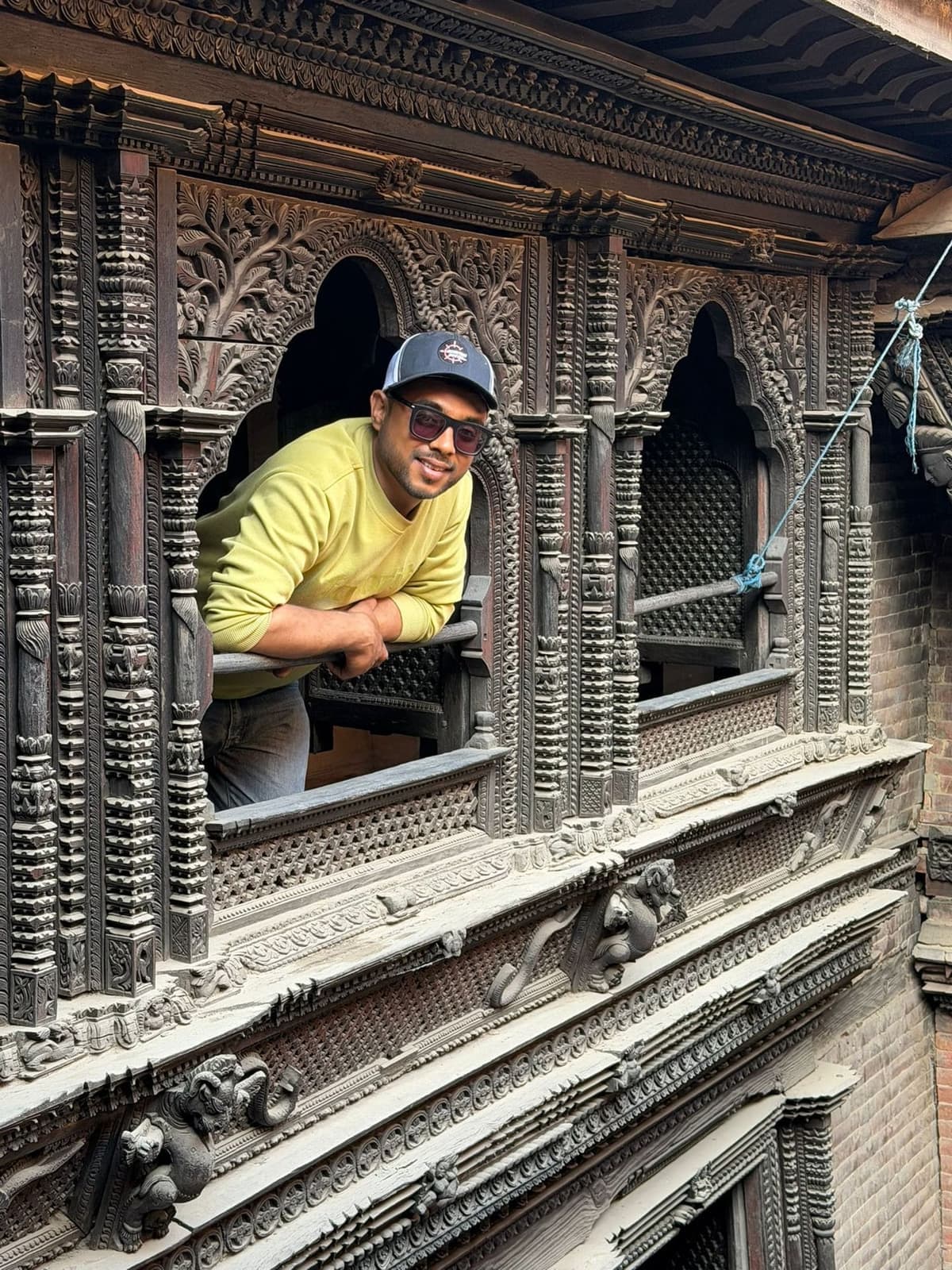
A Leisurely Walk Through Pashupati: Where Life Meets Eternity
A leisurely walk through Pashupati is a journey into the deeper rhythm of life. As the morning sun touches the Bagmati River, the sacred cremation ghats quietly reveal the eternal cycle of existence.