
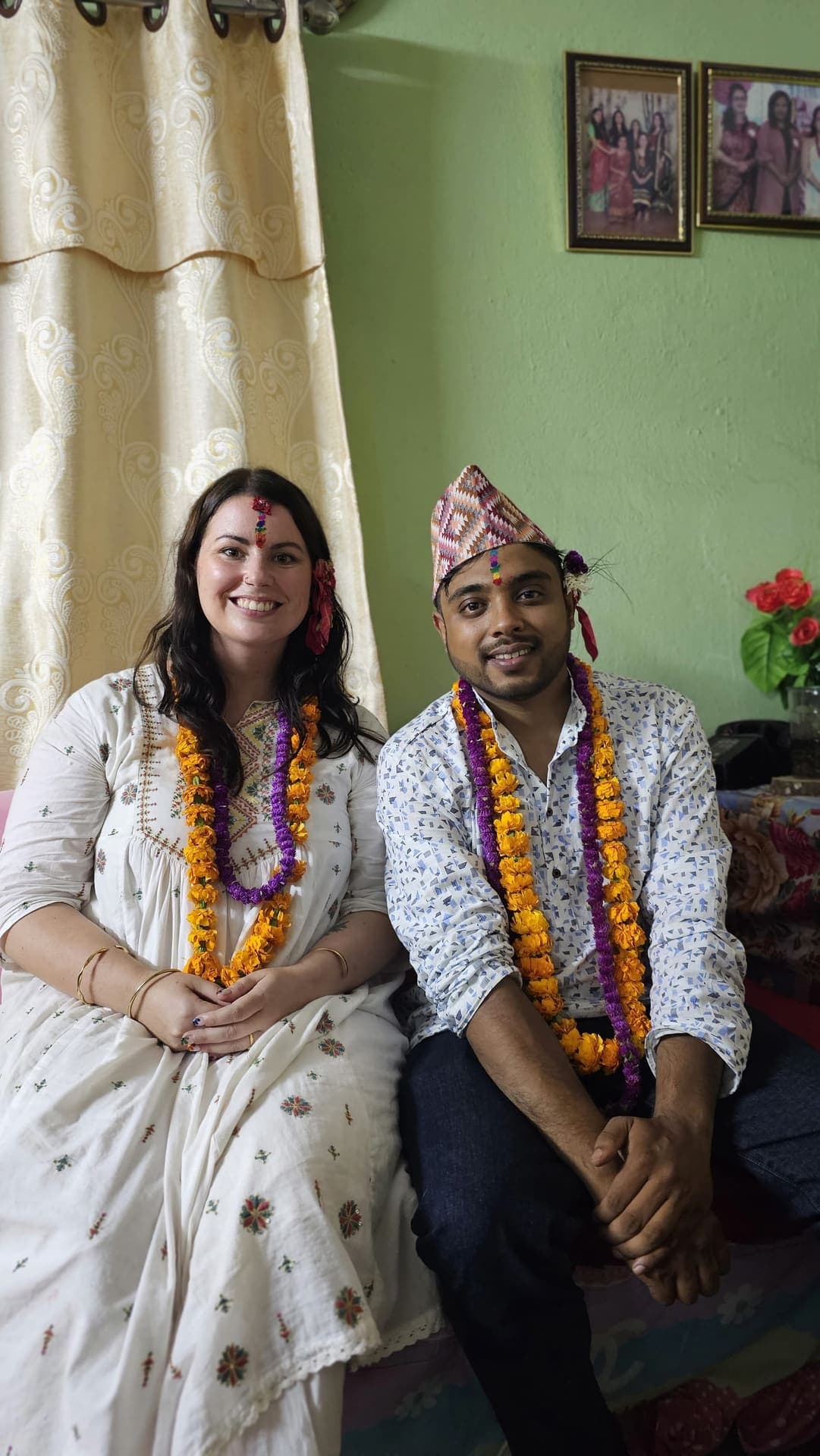
Pokhara: The Laid Back City of Lakes and Annapurna Horizons
Some places make you want to see everything. Pokhara makes you want to stay.

4) Pokhara : The laid back city
“Some places make you want to see everything.Pokhara makes you want to stay.I think that is the first thing you should know about Pokhara.”
— Sakar's Journal
You may arrive thinking you are here to see the Himalayas. You may have seen the photographs already of Phewa Lake, a wooden boat, Machhapuchhre rising behind the water.But photographs cannot really explain Pokhara.Because Pokhara is not only about what you see.It is about how the place makes you feel.
The morning light on the lake. The sound of paddles touching the water. A distant temple bell. The mountains appear between buildings. A small café opened its doors. The smell of rain on the hills.And suddenly, without realizing it, you stop rushing.Pokhara teaches you to slow down. Gives you that laid back vibes.
Start With the Lake
I would not begin by taking you from one attraction to another. I would begin at Phewa Lake. Early in the morning, before Lakeside becomes busy, the lake has a completely different personality.
Take a boat.
Don't rush to the other side.
Just sit.
Watch the hills reflected in the water. Look towards the mountains. If the sky is clear, Machhapuchhre appears almost impossibly close.And somewhere in the middle of the lake is Tal Barahi Temple, connecting the landscape with the spiritual life of the city.
This is one of the things I love about Pokhara.
Nature and spirituality don't feel separated here.
They are part of the same landscape.
Then Let Me Show You Another Pokhara.
Most visitors stay around Lakeside.And I understand why. But if you want to know Pokhara, I would ask you to leave it. Go towards the older parts of the city.Walk through local neighbourhoods.Find the places where tourism becomes less visible and everyday life becomes more visible. Pokhara has been shaped by movement for generations. It was historically connected to trade routes between India and Tibet, and the wider area carries the traditions of communities including Gurung, Magar and Thakali people.This is the Pokhara I want you to notice. Not just the hotels.Not just the adventure activities.The people who make the place what it is.
A River That Disappears
Then there is the Seti.
You might not expect one of Pokhara's most fascinating experiences to be looking down into a river gorge from a bridge.
But the Seti is unusual.
In places, the river seems to disappear beneath the city, carving itself through a remarkably deep gorge.Stand above it and look down.The city suddenly feels different. You realize that beneath the peaceful streets, cafés and houses is a landscape shaped by powerful geological forces.Pokhara has always had another world beneath the one we see. And nowhere is that more obvious than here.
Go Underground
That is why I like taking people to the caves.
At Gupteshwor Mahadev Cave, you enter the earth itself.
The light disappears.
The sound changes.
The walls close around you.
And somewhere inside the darkness is a sacred space dedicated to Shiva.
The cave is closely associated with the underground flow connected to Davis Falls, making the relationship between Pokhara's water, geology and spiritual traditions particularly fascinating.
Nearby, Davis Falls throws water into the landscape before it disappears underground.
And suddenly the postcard version of Pokhara feels incomplete.
Because there is a Pokhara above the ground
When the Water Falls, the City Changes
Stand beside Davis Falls after rain and you understand why nature has such a strong presence here.
The water is not decorative.
It is powerful.
It cuts, disappears and continues its journey through the landscape.
This is why I would never describe Pokhara simply as a city with beautiful scenery.
The landscape here is active.
The mountains shape the horizon.
The lakes shape the rhythm.
The rivers shape the ground.
The caves reveal what lies underneath.
And the people have built their lives around all of it.
Take the Road Up
Then, one morning, I would take you to Sarangkot.
Not because it is simply another viewpoint.
But because you should see Pokhara wake up. Leave before sunrise.
The city is still quiet.
The roads are darker.
And gradually, as you climb, the horizon begins to change.
Then the first light touches the mountains.
Machhapuchhre appears.
The Annapurna range slowly emerges.
And for a few moments, nobody needs to say anything.
That is the beauty of Sarangkot.
You don't need to explain a sunrise like that.
You just need to be there.
Sarangkot is also part of Pokhara's adventure culture, including paragliding, which allows visitors to experience the valley from an entirely different perspective.
And Then There Is the Sky
Pokhara can make you contemplative in the morning and adventurous by afternoon.
You can be sitting quietly beside the lake one moment and flying above it the next.
Paragliding, trekking, mountain biking, boating, kayaking and other outdoor activities have become part of the city's identity.
But adventure in Pokhara does not have to mean chasing adrenaline.
Sometimes adventure is simply walking somewhere you have never been.
Taking a different road.
Following a village trail.
Sitting with a local family.
Trying food you cannot pronounce.
Listening to someone's story.
For me, that is the kind of adventure that stays with you.
Find the Quiet Side
Then I would take you towards the World Peace Pagoda.
The road, the forest and the climb gradually remove you from the noise of the city.
And when you finally reach the top, Pokhara opens below you.
Phewa Lake.
The valley.
The hills.
The mountains.
The white stupa standing quietly above it all.
The World Peace Pagoda sits on a hill on the southern side of Phewa Lake and offers expansive views across the valley and towards the Annapurna range.
But again, I would not tell you simply to “visit the viewpoint.”
I would tell you to sit there.
Stay for a while.
Sometimes a place becomes meaningful only when you stop trying to photograph it.
Pokhara Has a Spiritual Side
Perhaps this is why Pokhara attracts more than trekkers and adventure seekers.
There is something about the geography that invites reflection.
Temples.
Monasteries.
The lake.
The mountains.
The caves.
The forest.
The silence.
You can spend a morning exploring and an afternoon doing absolutely nothing.
And both can feel equally worthwhile.
Pokhara's cultural landscape also extends into Buddhist monasteries and Tibetan settlements around the valley, adding another layer to its identity.
Don't Forget the Villages
This is something I would especially want you to experience.
Don't let Pokhara become only Lakeside.
Go beyond it.
Meet the communities living on the hills.
Stay in a homestay if you can.
Eat what the family eats.
Wake up without an alarm.
Listen to the stories.
Because the mountains you came to see are not simply scenery.
They are home.
And when you understand that, travelling through Nepal begins to feel different.
You stop asking, “What can I see?”
You begin asking,
“Who lives here, and what can I learn?”
Sakar
Responsible Tour Director & Cultural Guide
Born in Nepal with deep roots in Himalayan heritage and community-based hospitality. As Responsible Tour Director, Sakar guides curious international travelers beyond mass tourism, facilitating authentic human connections, spiritual stillness, and sustainable village livelihoods.
Create Your Own Himalayan Story with Sakar
Explore the quiet valleys, sacred spaces, and living heritage described in this journal.
More Stories From Sakar's Journal
Beyond the Famous Trails: Walking Into the Quiet Side of Nepal
Famous trekking routes have become crowded with tea-house chains and selfie sticks. Here is why trekking through quiet community ridges offers a far more profound connection.
The Morning I Learned to Slow Down in the Himalayas
I have walked countless mountain paths across Nepal, but some mornings stay with you for reasons that have very little to do with the view.
What Silence Can Teach Us in a Buddhist Monastery
Sitting in the cool shadows of a high monastery courtyard at 5:30 AM, watching monks light butter lamps as mist swirls through the valley.