
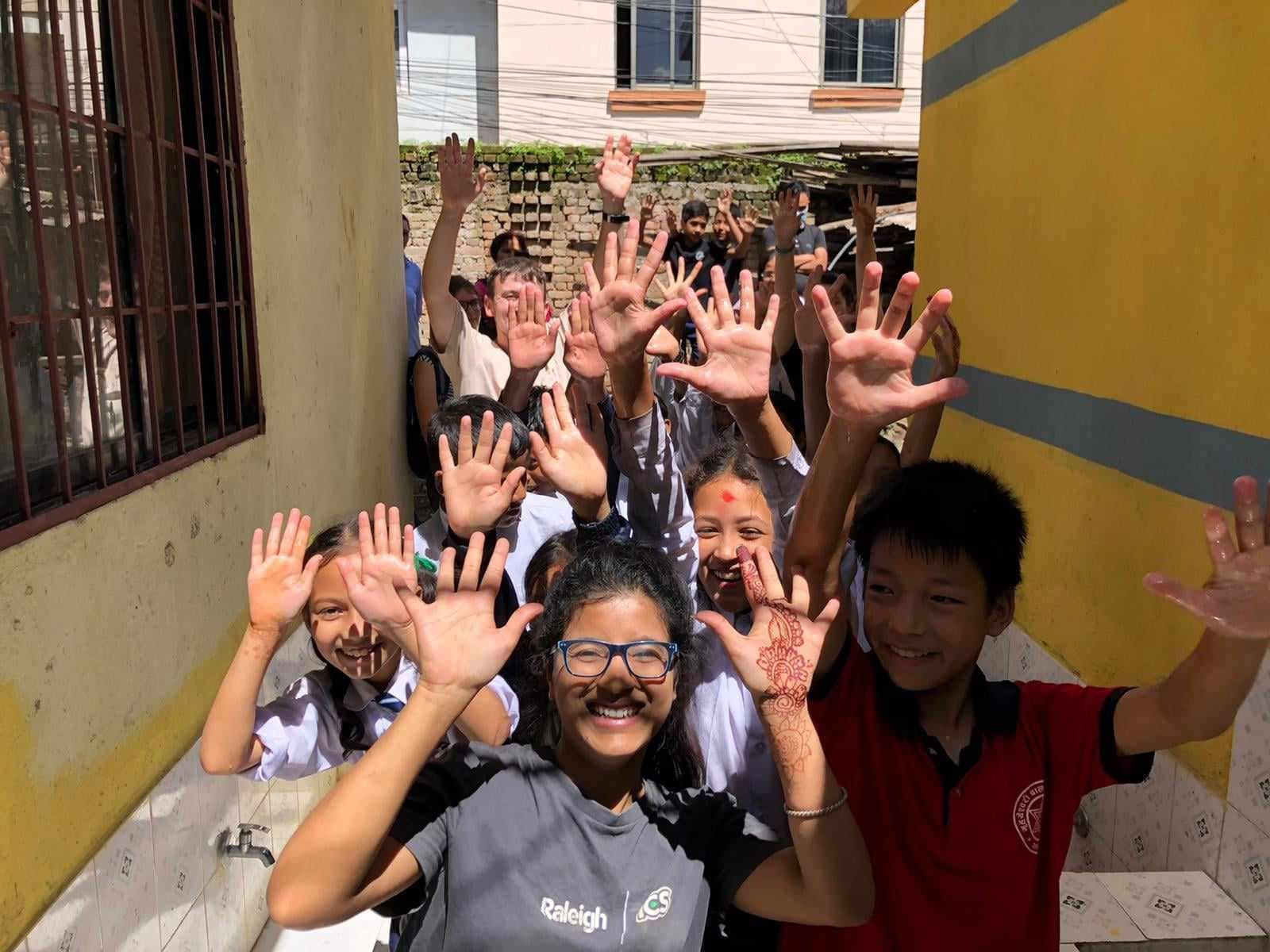
Himalayan Shamanism: Nepal’s Ancient Bridge Between Nature and Spirit
Beyond temples and monasteries exists ancestral wisdom carried through mountains, rivers, and healers.

Beyond Nepal’s famous temples and monasteries exists another spiritual world one carried through mountains, forests, rivers and generations of ancestral wisdom.
For centuries, Himalayan communities have preserved the tradition of Dhami-Jhankri (shamanic practitioners), who serve as spiritual guides, healers and custodians of ancient knowledge. Their practices are deeply connected with nature, ancestors, sacred rituals, chants, meditation and the belief that harmony between humans and the unseen world is essential for balance. Shamanism is not a single tradition but a collection of diverse indigenous practices passed through different communities of Nepal. Through rituals, drums, sacred objects and ancestral teachings, shamans continue to carry stories and wisdom that have travelled across generations. In a rapidly changing world, these ancient traditions remind us of a forgotten relationship, our connection with the Earth, our ancestors and the spiritual dimension of life.Preserving shamanic knowledge is not only about protecting the past. It is about keeping alive a living heritage that teaches harmony, respect and balance for the future.
**The Moment I Felt the Essence of Shamanic Wisdom**
Sometimes, the deepest spiritual journeys do not begin with curiosity.
They begin with surrender.
When life places us in situations where our strength feels tested, when emotions become overwhelming and the things we once depended on no longer feel certain, a different kind of search begins a search for meaning, connection and a deeper understanding of life. My encounter with a Himalayan shaman came during such a period of reflection.
I was not searching for a miracle.
I was searching for a connection.
Sitting with the shaman, I began to understand that ancient traditions are not only about rituals; they are about relationships — our relationship with ourselves, with nature, with our ancestors and with the unseen stories carried through generations. The shaman spoke about the connection between humans and the natural world. The mountains, rivers, trees and elements were not viewed as separate from us, but as part of a larger living system. During that journey, I experienced moments that touched me deeply.
“When I gently caressed my own hair, I felt a motherly warmth, a feeling of being cared for, reminding me that love and healing can also come from within.When I embraced a tree, I felt a quiet connection with something ancient. Standing there, I felt as if I was touching a living memory of the Earth, a connection with ancestors who had walked with nature long before us.”
— Sakar's Journal
Sakar
Responsible Tour Director & Cultural Guide
Born in Nepal with deep roots in Himalayan heritage and community-based hospitality. As Responsible Tour Director, Sakar guides curious international travelers beyond mass tourism, facilitating authentic human connections, spiritual stillness, and sustainable village livelihoods.
Create Your Own Himalayan Story with Sakar
Explore the quiet valleys, sacred spaces, and living heritage described in this journal.
More Stories From Sakar's Journal
What Silence Can Teach Us in a Buddhist Monastery
Sitting in the cool shadows of a high monastery courtyard at 5:30 AM, watching monks light butter lamps as mist swirls through the valley.
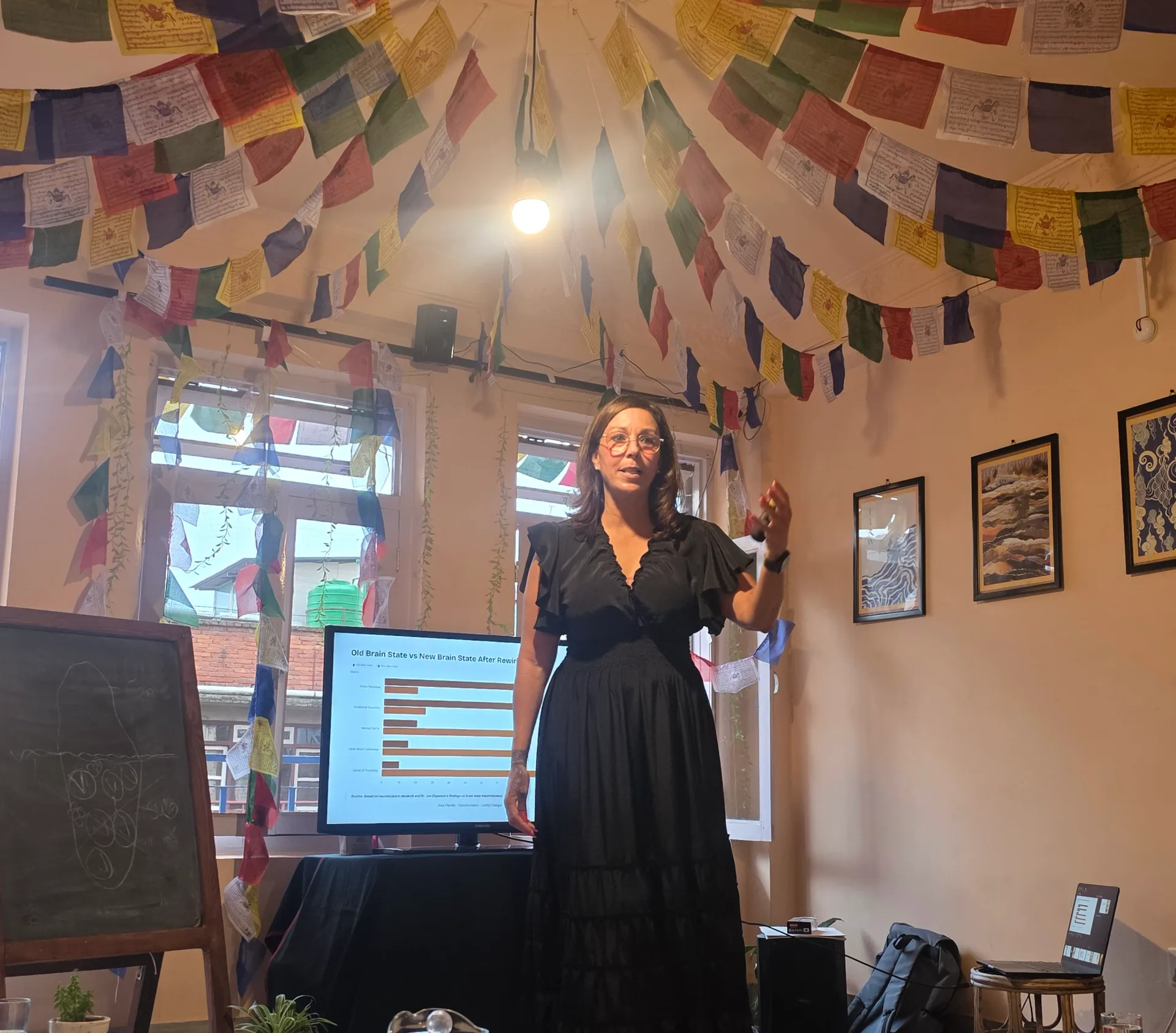
From Healing Session to Retreat: The Master Your Mind Event
It was only meant to be a quiet detour, a brief pause in a chaotic travel itinerary. Awa Prenilla had booked a simple, traditional healing session with a local shaman, seeking nothing more than a m...
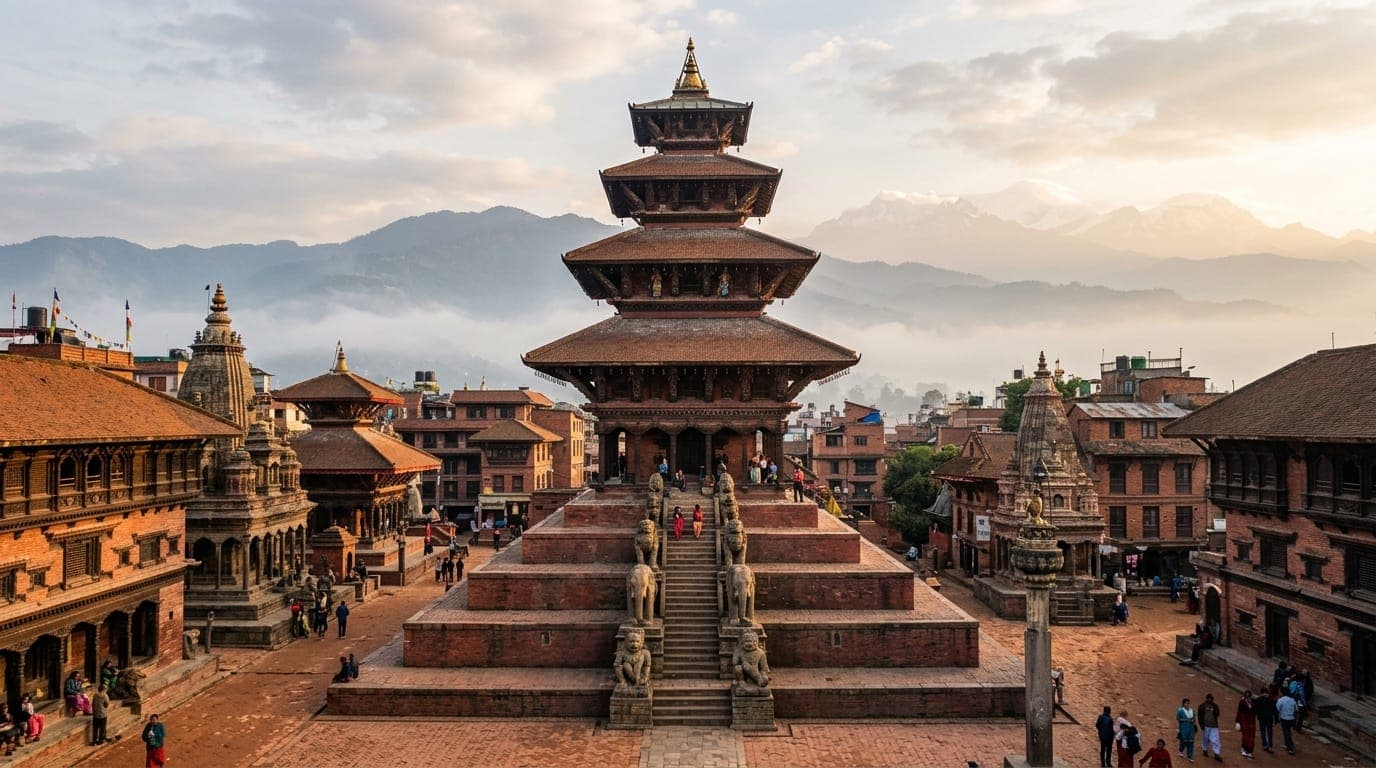
Kathmandu Valley's Hidden Spiritual Heritage: The Sacred Geometry of Kathmandu, Patan and Bhaktapur
Behind the temples, courtyards and sacred boundaries lies a world of Shaiva, Vaishnava, Shakta and Buddhist traditions, where each deity carries a role in maintaining cosmic balance.