
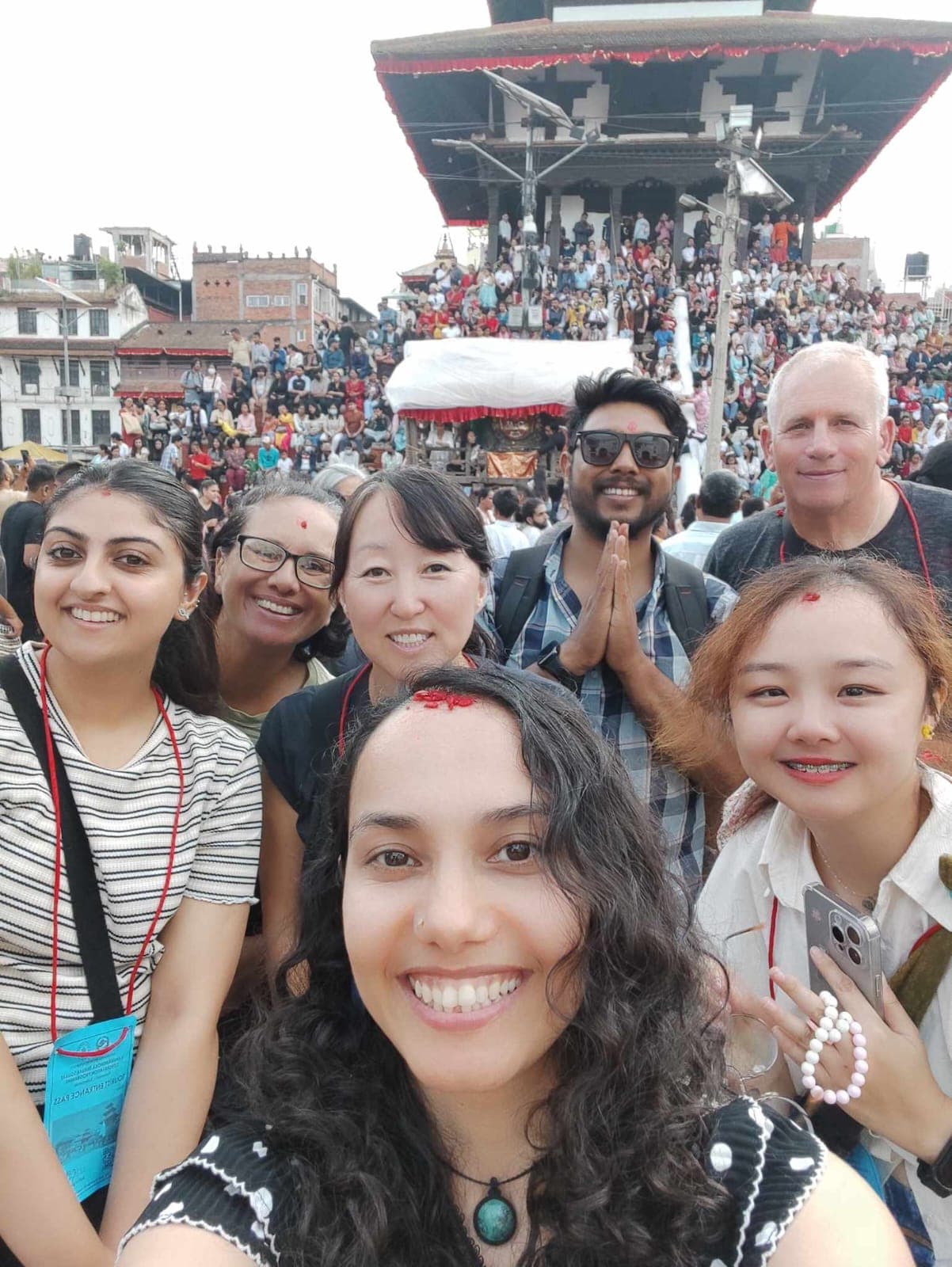
Exploring Bhaktapur Durbar Square: A Walk Through Nepal’s Living Medieval City
Bhaktapur is not a museum where history stopped; it is a city where life continues in its ancient rhythm.

2) Exploring Bhaktapur Durbar Square: A Walk Through Nepal’s Living Medieval City
Bhaktapur is not a place where you simply visit the past.It is a place where the past still welcomes you.There are cities that move forward by leaving the past behind.Bhaktapur chose a different path.
It slowed down.
It protected its memories.
It allowed its old brick lanes, wooden windows, courtyards and traditions to continue telling stories in a world that is changing faster than ever.
The first feeling you get when you enter Bhaktapur is not excitement.
It is calm.
The sound of footsteps on old brick pavements replaces the noise of busy roads. The smell of freshly prepared Newari food mixes with the fragrance of incense. An artisan sits quietly working with his hands, continuing a skill that may have travelled through generations. You suddenly realize this is not a city where history is displayed. This is a city where history is lived so it is known as a living museum.
A City Built Around People
Before modern ideas of sustainable cities became popular, Bhaktapur had already created a human-centred way of living. The city was not divided into places where people lived, worked, worshipped, and gathered separately. Everything existed together.
A temple was not only a religious space.
A courtyard was not only architecture.
A public water source was not only infrastructure.
They were places where relationships were created.
Neighbours met, festivals were organized, knowledge was shared and communities looked after each other.This is perhaps why Bhaktapur feels different from many historic cities. Its heritage is not only in the monuments .It is in the lifestyle that surrounds them.
The Taste of Abundance
Bhaktapur’s culture also tells a story of a community connected with its land.
The fertile valley provided crops, and those crops became part of celebrations, rituals, and social life. Traditional foods, festivals and drinks like Ayla became expressions of sharing and togetherness.
There is a beautiful thought hidden in such traditions:
A community that has enough to preserve, create and celebrate has moved beyond survival.
It has created culture.
Walking Through Bhaktapur Durbar Square
When you finally arrive at Bhaktapur Durbar Square, you do not feel like you have reached a monument.
You feel like you have entered a conversation with the past.The palace windows silently watch over the square.The temples rise above the city like guardians.The statues stand as if they are waiting for the next generation to hear their stories.The Golden Gate, the Palace of Fifty-Five Windows, and the temples around the square are not just examples of architecture they are reminders of a civilization that believed beauty was an essential part of life.
Bhaktapur’s Greatest Treasure
The greatest treasure of Bhaktapur is not only what was built centuries ago.It is what continues today.A potter shaping clay.A family following traditions.A festival bringing an entire neighbourhood together.A child growing up beside a temple that has watched hundreds of generations.
Bhaktapur teaches us something important:
A city does not become timeless because it has old buildings.A city becomes timeless when people continue to give those buildings meaning.The Hands That Keep Bhaktapur Alive.Beyond the grand temples and royal courtyards, the true heartbeat of Bhaktapur can be found in the hands of its people.
At Pottery Square, the rhythm of the spinning wheel has continued for generations. As the potter’s wheel turns slowly, ordinary clay transforms into lamps, vessels, and everyday objects. It is not just a craft; it is a conversation between the earth and human hands.The potters of Bhaktapur remind us that heritage is not only found in palaces. Sometimes, it lives in the simplest objects created for daily life.
And then there is Juju Dhau the “King of Yogurt” of Bhaktapur. Prepared through traditional methods using buffalo milk and clay pots, Juju Dhau is more than a sweet delicacy. It represents patience, skill and a culture where food carries identity. For generations, it has been part of festivals, celebrations, and hospitality, offering visitors a taste of Bhaktapur’s warmth.Perhaps this is what makes Bhaktapur different.
“The city’s heritage is not only carved into wood and stone.It is also shaped in clay and preserved in taste.A temple tells the story of kings.A potter tells the story of ordinary people. A bowl of Juju Dhau tells the story of a community that knows how to preserve tradition.”
— Sakar's Journal
Sakar
Responsible Tour Director & Cultural Guide
Born in Nepal with deep roots in Himalayan heritage and community-based hospitality. As Responsible Tour Director, Sakar guides curious international travelers beyond mass tourism, facilitating authentic human connections, spiritual stillness, and sustainable village livelihoods.
Create Your Own Himalayan Story with Sakar
Explore the quiet valleys, sacred spaces, and living heritage described in this journal.
Featured Journeys Connected to Our Stories
Turn field essays into lived reality. These are our three featured experiences curated for thoughtful travelers.
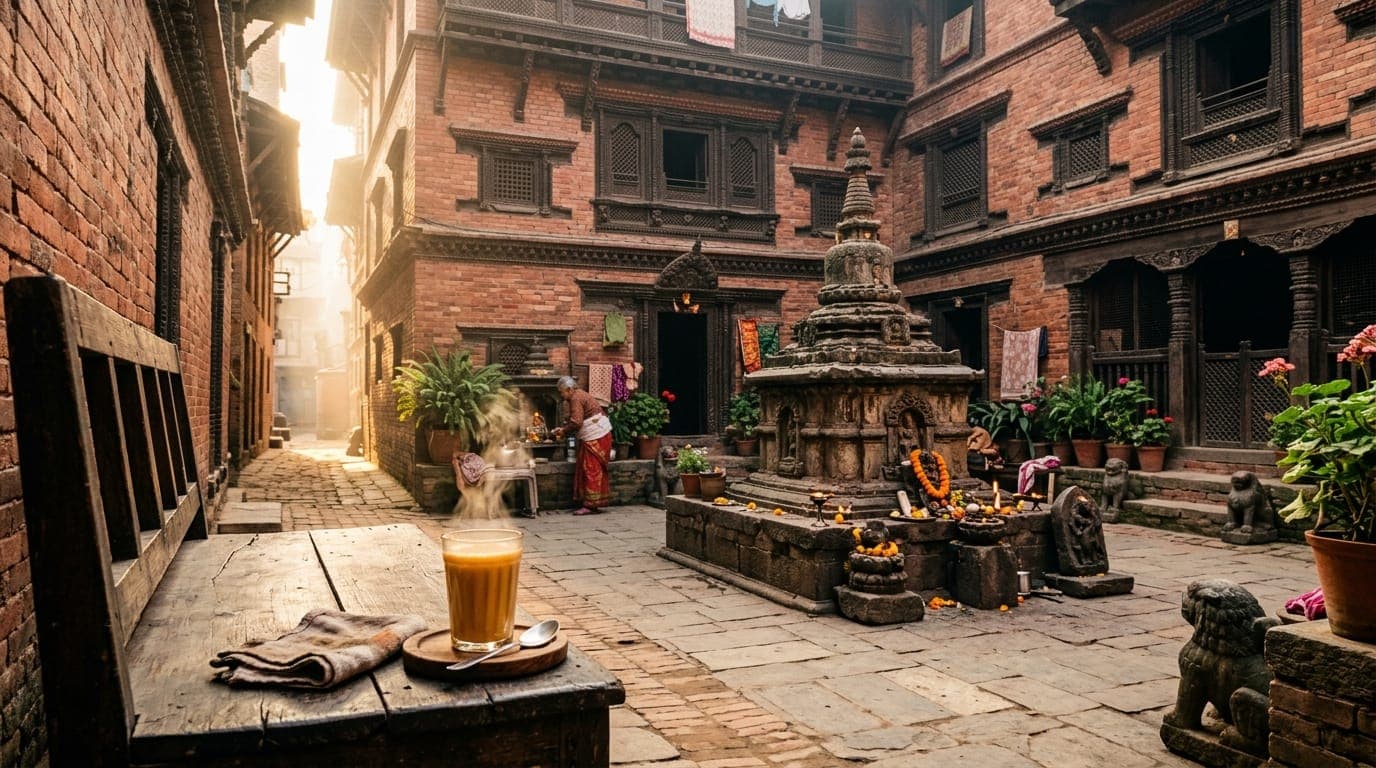
Kathmandu Durbar Square: Where Every Stone Holds a Story
If you want to understand Kathmandu, do not start with a monument. Start with a morning walk where the city wakes up in the narrow alleys of Ason.
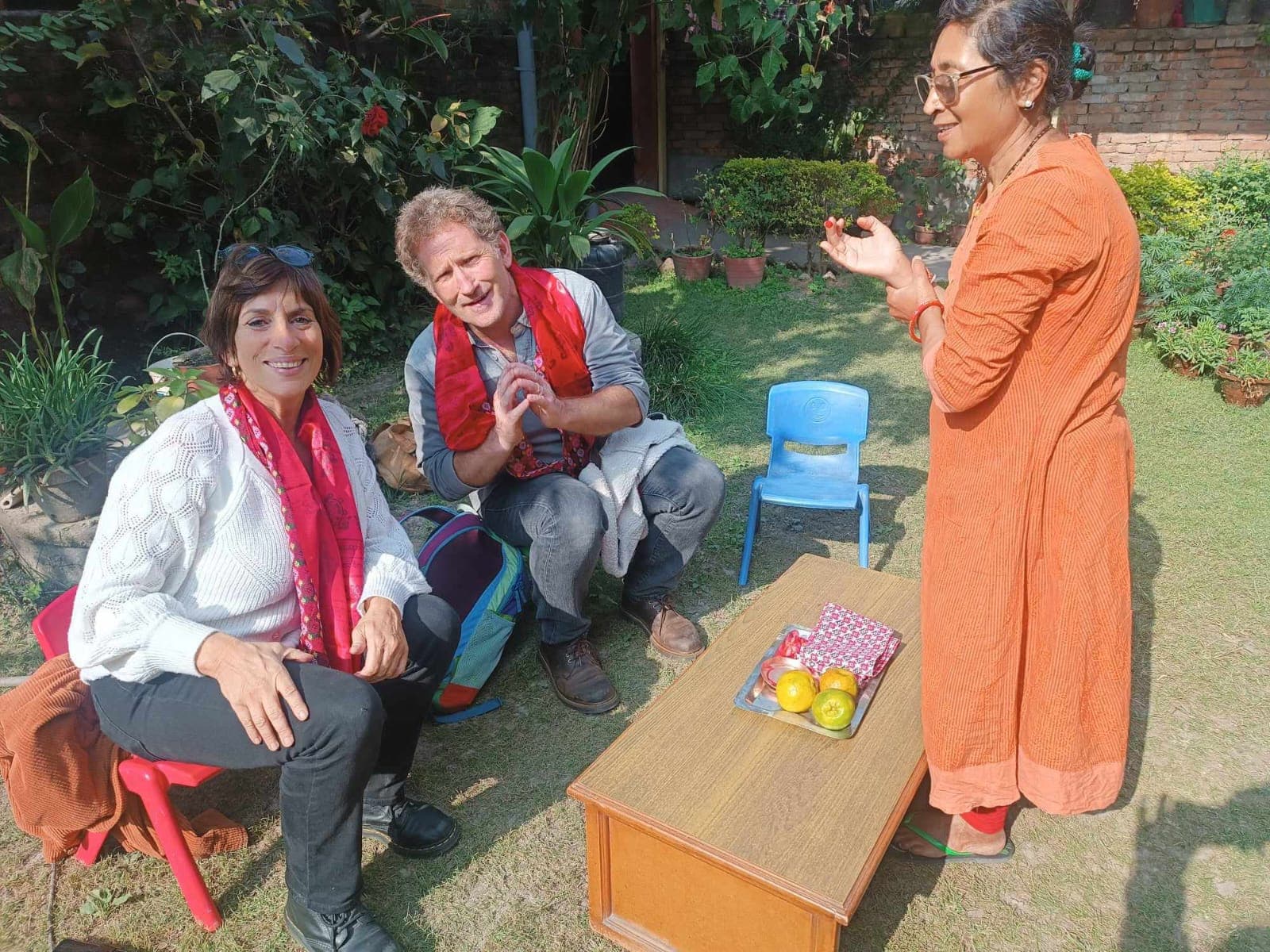
Bhaktapur Durbar Square: A Walk Through Nepal’s Living Medieval City
Bhaktapur is not a place where you simply visit the past. It is a place where the past still welcomes you. It slowed down and protected its memories.
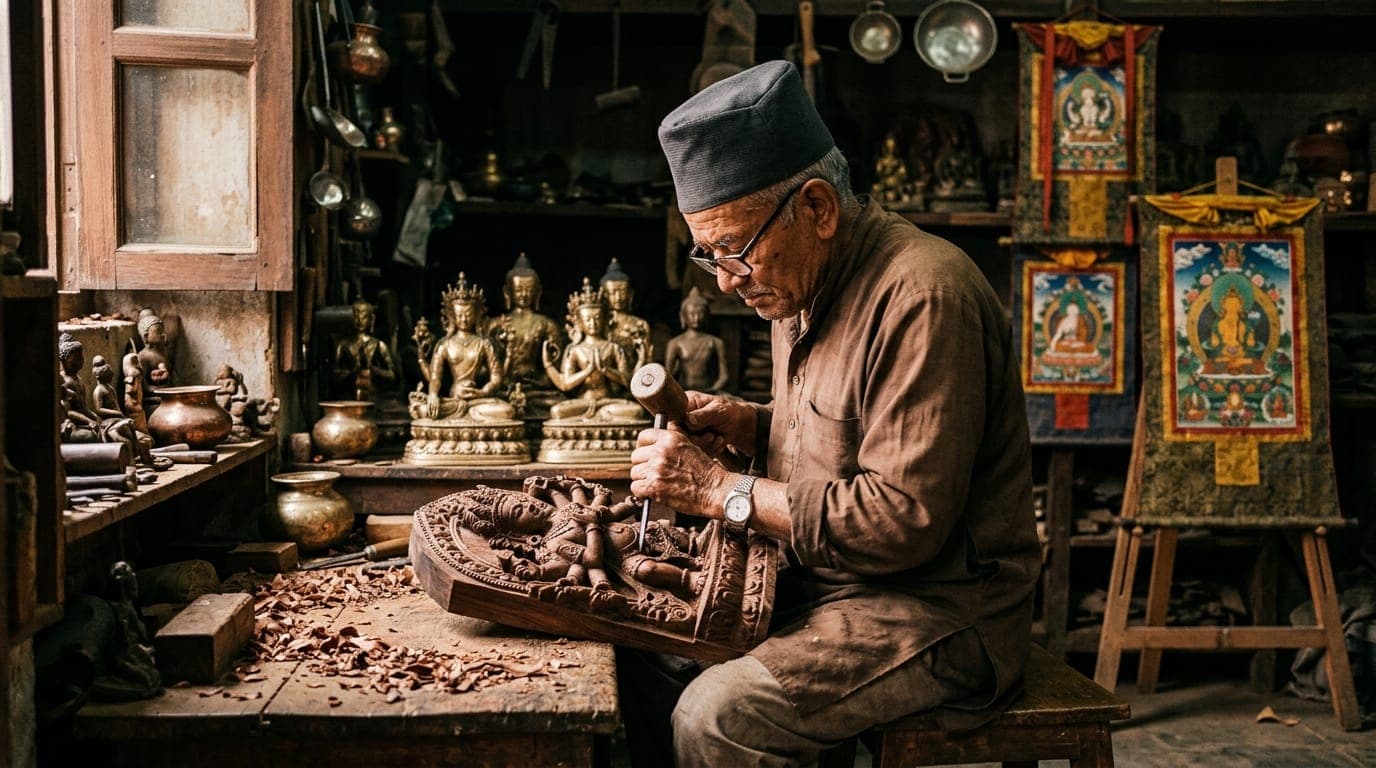
Patan Durbar Square: The City of Hidden Courtyards and Living Craft
Patan is a city of makers. In Kathmandu, you encounter history everywhere. In Bhaktapur, you feel history surrounding everyday life. In Patan, you can watch history being made by hand.
More Stories From Sakar's Journal

A Morning Inside a Nepali Village Home: Food, Hearth & Stories
The kitchen in a traditional Nepali home is the sacred center of family life. Step inside the fragrant world of woodfire cooking and genuine mountain hospitality.
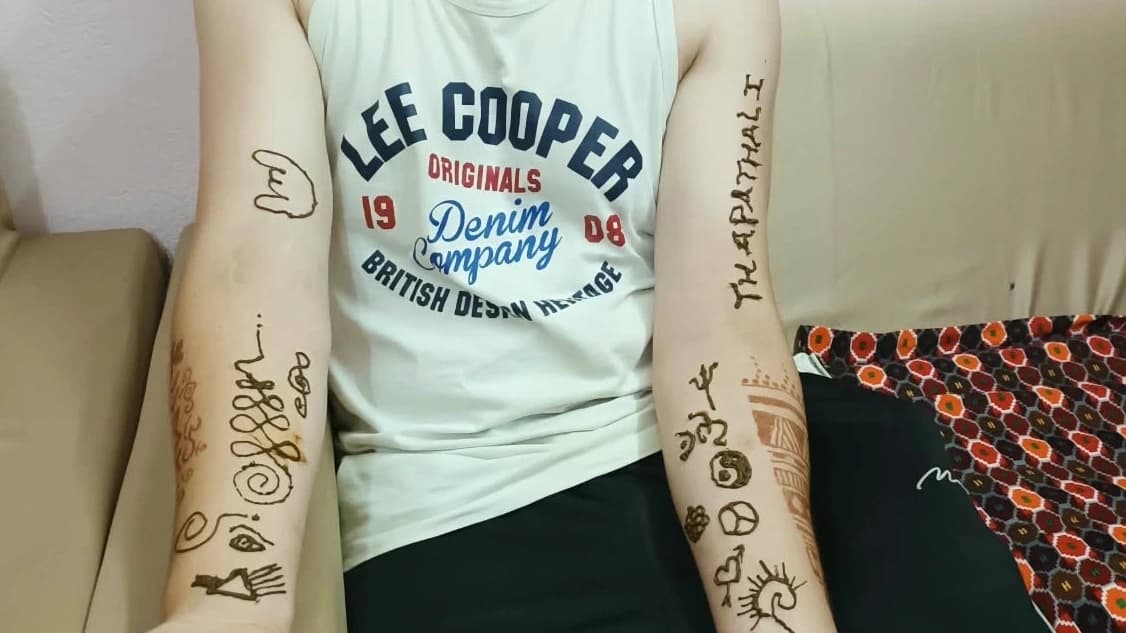
Matthew and heena
Matthew had just navigated the treacherous, mud-caked terrain of flood-affected Dhading, dodging landslides and wading through swollen streams, but nothing prepared him for the intense salon operat...
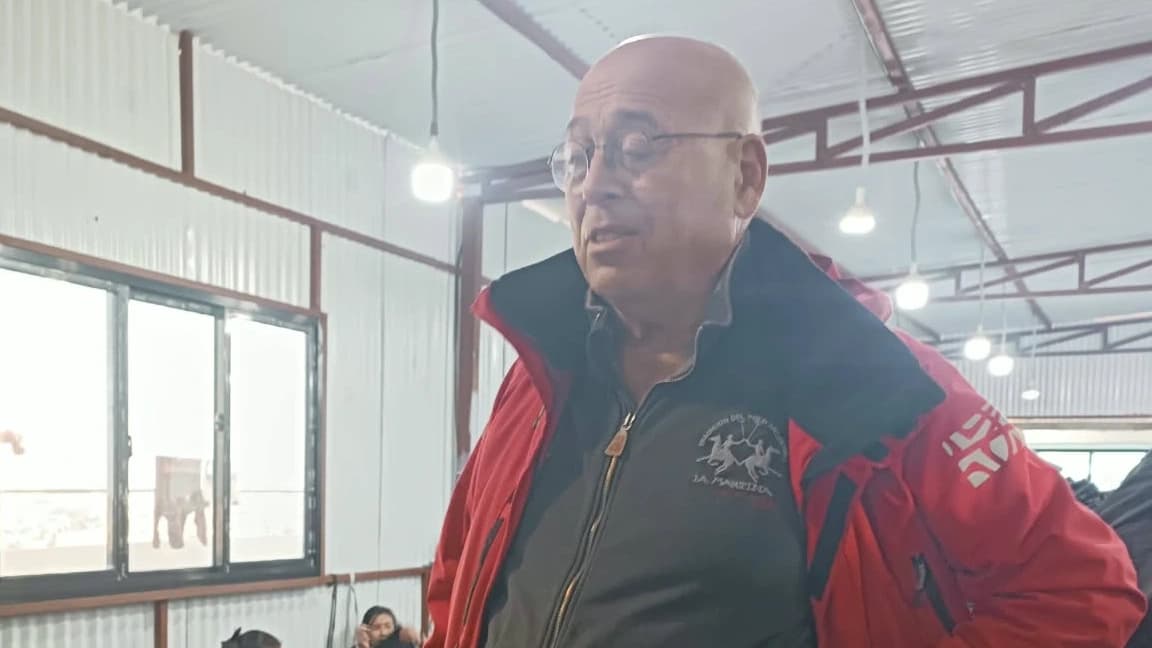
Threading Seven Decades: Altan Baje's Journey from Turkey to The Looms of Nepal
the powerful, reflective journey of Altan Baje, a 70-year-old Turkish fashion industry veteran who built a decades-long career within the high-stakes supply chain and management world of global fas...