
Kathmandu Durbar Square: Where Every Stone Holds a Story
If you want to understand Kathmandu, do not start with a monument. Start with a morning walk where the city wakes up in the narrow alleys of Ason.
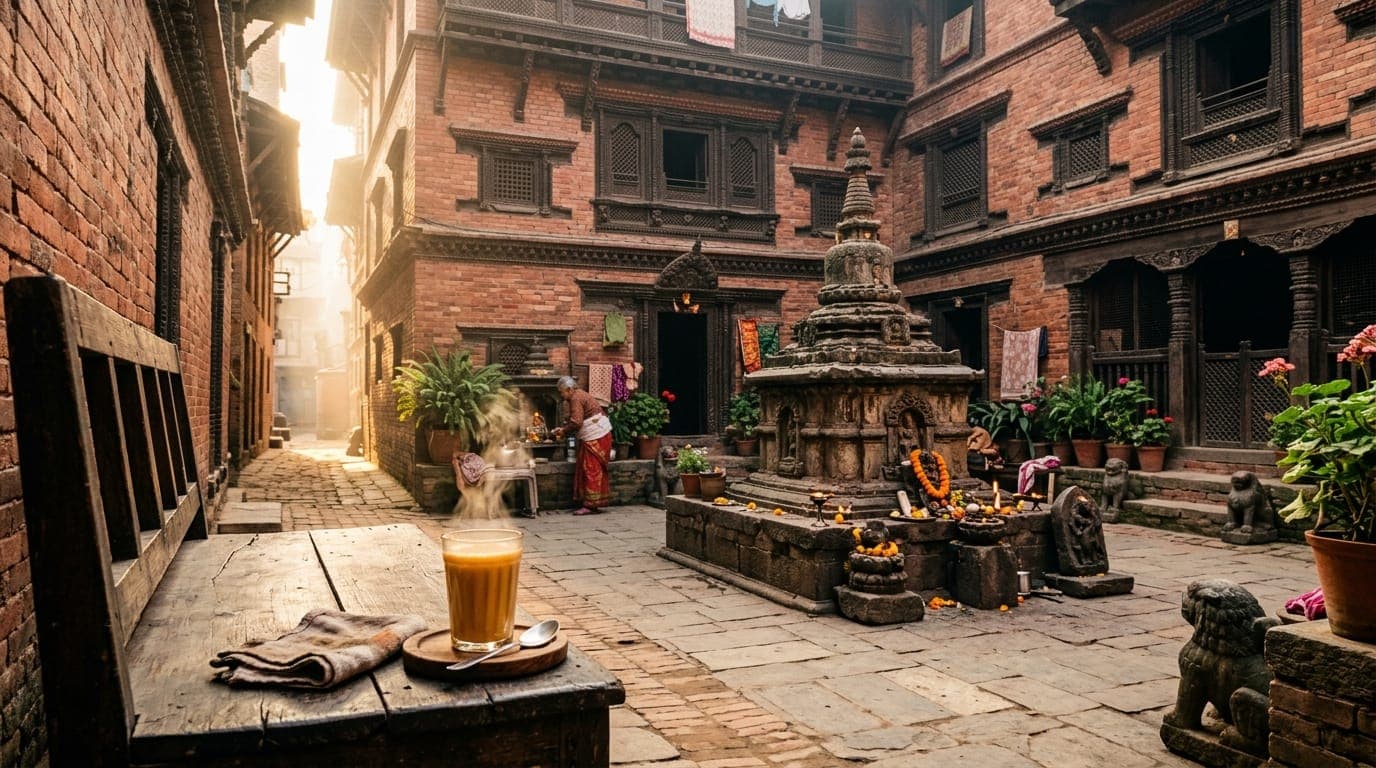
Stepping Past the Tourist Facade
If you want to understand Kathmandu, do not start with a monument. Start with a morning walk. Start where the city wakes up in the narrow alleys of Ason. As the first rays of sunlight enter between old brick houses, the smell of spices, incense, fresh vegetables, and traditional sweets fills the air. Shopkeepers open wooden shutters that have witnessed generations of customers. People rush through lanes that appear too narrow for a modern city, yet somehow carry the rhythm of thousands of years. This is not just a marketplace. This is a memory.
For centuries, Ason remained one of the beating hearts of Kathmandu, standing along ancient trade routes that connected the southern plains of India with the Tibetan plateau. Traders, pilgrims, monks, and travellers passed through these streets carrying goods, stories, beliefs, and cultures. Perhaps that is why Kathmandu has always felt different: it was never a city that belonged to only one culture. It was a meeting point—a place where northern mountains met southern civilizations, where Hindu temples stood beside Buddhist monasteries, where merchants discussed business while bells from nearby shrines reminded them of something beyond wealth.
One of Kathmandu’s greatest secrets is hidden not in its palaces, but in its neighbourhoods. The old settlements were designed around people. A family could live in a traditional courtyard house, walk a few steps to a temple, visit a nearby market, meet neighbours in community spaces, and participate in festivals that connected generations. The city was not separated into residential areas, commercial areas, and religious zones like many modern cities. Life happened together. A temple was not only a place of worship. A courtyard was not only empty space. A marketplace was not only for buying and selling. Everything had a purpose.
As the world discusses climate change and the importance of sustainable urban living, the traditional close-knit communities of Kathmandu Valley offer a valuable lesson. For centuries, these settlements were designed around people—with homes, markets, temples, schools, and social spaces within walking distance. Heritage conservationist Anil Chitrakar, often regarded as a walking encyclopedia of Nepal’s heritage, highlights how these traditional communities represent a way of living where culture, sustainability, and human connection existed together.
Why did so many rulers dream of controlling Kathmandu? Because Kathmandu was never just beautiful. It was valuable. The valley had fertile land, water resources, skilled artisans, and a strategic location between Tibet and the Indian subcontinent. Whoever controlled Kathmandu controlled the centre of trade, administration, and influence in the Himalayan region. The earliest chapters take us back to ancient kingdoms, including the Licchavi period, when administration, art, inscriptions, and religious architecture began flourishing. Beneath the roads and houses is a civilization continuously evolving for centuries: there are many cities built on top of each other.
Then came the Malla era—the age when Kathmandu Valley became a canvas for royal imagination. The kings of Kathmandu, Patan, and Bhaktapur competed with each other, not only for power but also for beauty. They wanted their temples to reach higher, their palaces to become grander, their cities to be remembered. This rivalry created something extraordinary: a competition of creativity. The artisans were storytellers: a carved window was a chapter, a temple roof was a poem, a courtyard was a gathering place where generations shared life.
As the walk continues from Ason towards Basantapur, the noise of the market slowly meets the silence of history. And suddenly, Kathmandu changes. The old palace walls appear. The temples rise above the square. The wooden carvings look down as if watching for centuries. Kathmandu Durbar Square is not a place where history ended; it is a place where history is still breathing. Here, kings were crowned, festivals were celebrated, artists created masterpieces, and ordinary people continued their everyday lives around extraordinary monuments.
Topic Highlights
- Dawn morning walk through the ancient spice trade alleys of Ason as wooden shutters open
- Discovering traditional Newar urban design where homes, temples, and markets exist in walking harmony
- Reflecting on Anil Chitrakar’s lessons on ancient human-centered and sustainable community living
- Tracing Licchavi and Malla royal rivalries that transformed brick and timber into architectural poetry
- Entering Basantapur where palace walls grew together with the everyday life of the people
Daily Schedule & Pacing
Ason Morning Awakening
Begin where the city wakes up: spice alleys, incense burners, wooden shutters, and centuries of merchant memory.
Living Newar Courtyards & Hitis
Walk through residential bahals, discovering private shrines and community water systems.
Sustainable Heritage & Chitrakar Insights
Explore how centuries-old Newar settlements balanced density, agriculture, and human connection.
Entering Basantapur (Durbar Square)
Step into the square where kings were crowned, festivals breathe, and stone carvings narrate living history.
* Note: All daily rhythms and walking paces are personalized to your physical comfort.
“I love starting at Ason at 6:30 AM when the tea sellers light their stoves and grandmothers offer marigolds. When you understand the community behind the stones, the monuments become living relatives.”
Journey Summary
Responsible Community Footprint
Direct patronage of historic Ason courtyard tea sellers, Guthi community trusts, and local neighborhood preservation initiatives.
Plan Your Journey to Kathmandu Durbar Square
Connect directly with Sakar to discuss unhurried dates, personal pace, and custom inclusions.